
Maintaining your septic tank is essential for the health and safety of your home. Septic systems play a vital role in managing waste, and one of the most important aspects of keeping them in good working order is regular emptying. But how often should you have your septic tank emptied? This blog will answer that question and explain why timely maintenance is crucial.
Factors Influencing How Often You Should Empty Your Septic Tank
There isn’t a one-size-fits-all answer to how often you should empty your septic tank. Several factors can impact the frequency of service, and understanding these will help you plan your maintenance more effectively.
Household Size
The number of people living in your home is one of the biggest factors affecting your septic tank’s performance. Larger households produce more waste, which means the tank will fill up faster. A family of four will require more frequent maintenance than a household of two.
Tank Size
Septic tanks come in different sizes, and the larger your tank, the longer it can go between services. For example:
- Small tanks (1,000 gallons or less) may need to be emptied every 2-3 years.
- Medium tanks (1,500 gallons) typically need service every 3-4 years.
- Larger tanks may last up to 5 years or more between emptying.
Water Usage
Your water usage habits also play a big role. If your household uses a lot of water, the tank will fill up faster. Things like long showers, frequent loads of laundry, and dishwashing can accelerate the need for emptying.
Waste Types
It’s not just about how much waste goes into your tank, but also what type. Non-biodegradable items like wet wipes, sanitary products, and kitchen grease can cause the tank to fill and clog faster, requiring more frequent emptying.
General Guidelines: How Often to Empty a Septic Tank
While every septic system is different, there are general guidelines to help you estimate when your tank will need attention.
- Small households (1-2 people): Every 3-5 years.
- Medium households (3-4 people): Every 2-4 years.
- Large households (5+ people): Every 1-2 years.
Signs Your Septic Tank Needs Emptying
Here are some telltale signs that your septic tank may need to be emptied:
- Slow Drains: If your sinks, toilets, or showers are draining slower than usual, it could indicate a full septic tank.
- Bad Odors: A foul smell near your septic tank or drains is a strong sign that the tank is nearing capacity.
- Pooling Water or Lush Grass: When a septic system is full, wastewater may begin to pool around the drain field. Overly lush or green patches of grass in the area may also indicate leakage from an overfilled tank.
Professional Recommendations
While these signs are helpful indicators, the best way to know for sure is to schedule regular inspections with a septic service professional. They can assess your system and recommend the best time for emptying based on the specific conditions of your home.
The Consequences of Not Emptying Your Septic Tank Regularly
Ignoring your septic tank’s maintenance schedule can lead to several serious problems.
1. Overflow and System Backup
A full septic tank can overflow, causing raw sewage to back up into your home. This is not only unpleasant and unhygienic, but it can also be costly to clean up.
2. Environmental Damage
When a septic system overflows, it can leak harmful substances into the soil and nearby water sources, potentially contaminating groundwater and local ecosystems.
3. Expensive Repairs
Regular maintenance is far cheaper than emergency repairs. Replacing or repairing a failed septic system can cost thousands of pounds, whereas routine emptying is a fraction of that cost.
How Thames Liquid Waste Disposal Can Help
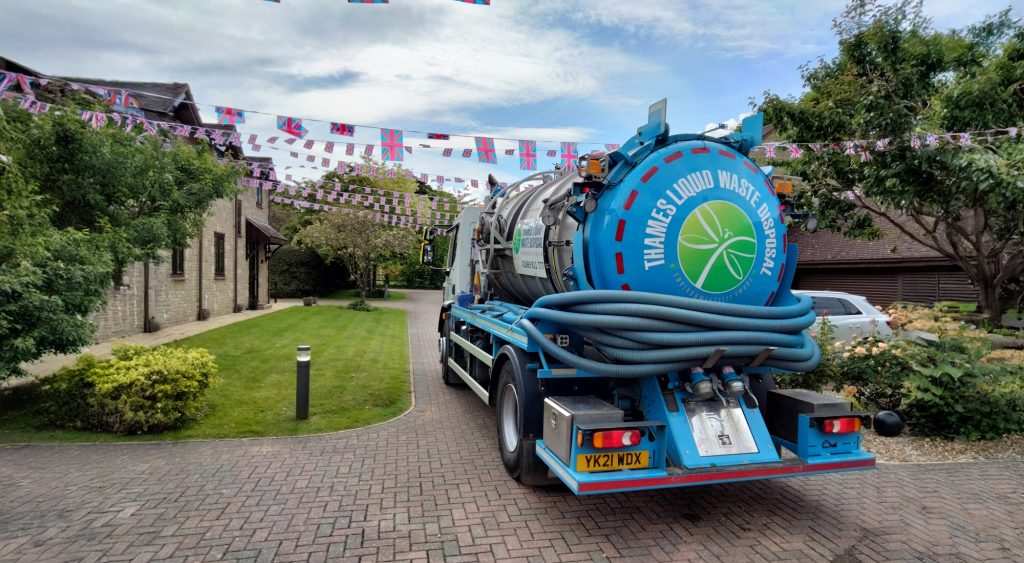
At Thames Liquid Waste Disposal, we specialise in providing expert septic tank services, including regular emptying and maintenance. Our team understands the complexities of septic systems and uses professional tools to ensure your tank is properly serviced and functioning optimally.
Regular inspections and timely emptying can prevent costly repairs and environmental damage. We’re here to offer expert advice and ensure your septic system runs smoothly.
Tips for Maintaining Your Septic Tank Between Servicing
In between professional services, there are a few things you can do to maintain your septic system and extend the time between emptying.
1. Water Conservation Tips
Reduce the amount of water your household uses by:
- Installing low-flow fixtures in showers and toilets.
- Running dishwashers and washing machines only when they’re full.
- Fixing leaky taps promptly.
2. Proper Waste Disposal
Not everything should go down the drain. Avoid flushing or pouring the following items into your septic system:
- Wet wipes, even if they’re labelled “flushable.”
- Sanitary products and nappies.
- Fats, oils, and greases.
- Harsh chemicals and cleaning products.
3. Regular Inspections
Even if your tank doesn’t need emptying, regular inspections by a professional are essential. These checkups can identify small issues before they become major problems.
Summary: Prioritise Regular Septic Tank Maintenance
Ensuring your septic tank is emptied regularly is essential for maintaining a healthy system and avoiding costly problems. Thames Liquid Waste Disposal is here to help with all your septic system needs, from inspections to emptying. Contact us today to schedule a service and ensure your septic tank stays in top shape.
Ready to schedule your septic tank emptying? Contact Thames Liquid Waste Disposal at [insert contact details] today for a professional consultation and reliable service. Don’t wait until it’s too late—take care of your septic system now!