
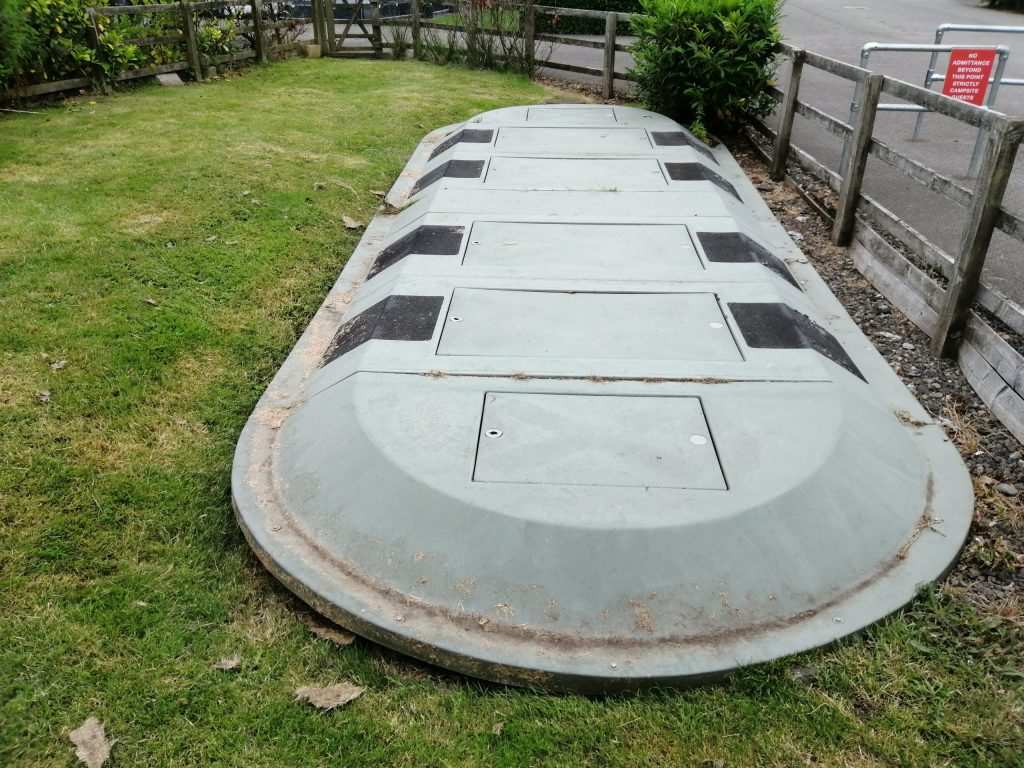
Septic tanks are vital to many properties across the UK, especially in rural areas where connection to mains drainage isn’t possible.
Despite their importance, there’s still a lot of confusion surrounding how they work and what they require in care and maintenance.
These misunderstandings can lead to improper usage, which not only shortens the lifespan of the system but can also result in costly repairs and serious environmental issues.
In this blog, we’ll clear up some of the most common misconceptions about septic tank usage and set the record straight with practical, easy-to-follow advice.
Misconception #1 – You Never Need to Empty Your Septic Tank
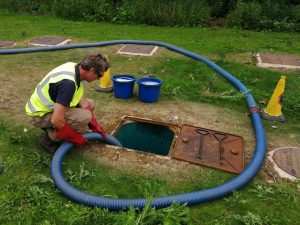
One of the most common myths is that a septic tank, once installed, never needs to be emptied. In reality, every septic tank needs regular emptying to remove the build-up of solids (or ‘sludge’) that naturally accumulates over time.
Without this, the tank can become overloaded, leading to blockages, unpleasant odours, and even sewage backing up into your home.
Most experts recommend emptying a septic tank every 12 to 18 months, though the exact frequency can vary depending on usage and tank size.
Ignoring this essential task might seem like a money-saving move in the short term, but it usually ends in costly repairs or environmental damage further down the line.
Misconception #2 – Additives Can Replace Pumping
Many people are led to believe that adding special enzymes or bacterial treatments to their septic tank eliminates the need to have it emptied.
While additives can help break down organic matter and improve system efficiency, they are not a substitute for physically removing waste solids through professional pumping.
Additives should be seen as a complementary product, not a replacement for maintenance. Even the best treatments can’t break down everything that goes into a septic tank, which is why solids still accumulate over time.
Relying solely on additives can lull homeowners into a false sense of security and lead to avoidable problems later on.
Misconception #3 – You Can Flush Anything Down the Toilet
A septic tank is not the same as being connected to mains sewerage – it’s much more sensitive to what you put into it.
Items like baby wipes (even the so-called ‘flushable’ ones), sanitary towels, cotton buds, nappies, and cooking grease can all clog up the system and interfere with the natural breakdown of waste.
Flushing the wrong things down the loo might not cause immediate problems, but over time, they can lead to serious blockages, backups, and damage to your tank or drainage field.
Always follow the golden rule: if it’s not pee, poo, or (septic-safe) paper, don’t flush it.
Misconception #4 – Septic Tanks Are Maintenance-Free
Another misconception is that once a septic tank is in the ground, it doesn’t need any attention. While they’re designed to be low-maintenance, they are by no means maintenance-free.
Regular inspections help to identify small issues before they become expensive disasters.
Keeping an eye out for warning signs like slow-draining sinks, gurgling noises in the plumbing, or soggy patches in the garden can help catch problems early.
It’s also wise to book a professional inspection every few years to make sure everything is working as it should.
Misconception #5 – Household Cleaners Are Safe for Septic Systems
Most people assume that any cleaning product found on a supermarket shelf is fine to use in a household with a septic tank.
However, many common cleaners contain harsh chemicals that can kill off the helpful bacteria inside the tank, which are essential for breaking down waste.
Using too much bleach, antibacterial soap, or chemical drain cleaner can throw the bacterial balance off completely. Instead, look for biodegradable or septic-safe cleaning products.
Making a few simple switches around the house can go a long way in preserving the health of your septic system.
Misconception #6 – If It’s Not Smelling, It’s Working Fine
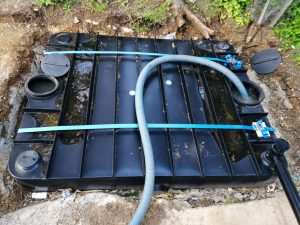
No smell doesn’t always mean no problem. Septic systems can silently develop issues without any obvious signs, which is why it’s crucial to keep up with regular checks and maintenance, regardless of whether there’s an odour.
By the time you do notice a foul smell or slow drainage, the damage may already be done.
Proactive care is key – don’t wait until something goes wrong. Routine servicing and periodic emptying ensure your system keeps running efficiently without causing any unpleasant surprises.
Conclusion
There’s a lot of misinformation out there when it comes to septic tanks, and believing these myths can cost you dearly.
From thinking they never need emptying to assuming you can flush whatever you like, these misconceptions often lead to unnecessary stress and avoidable expense.
The truth is, a well-maintained septic tank should last for many years and perform reliably, as long as it’s used correctly.
If you’re unsure about the condition of your tank or when it was last emptied, don’t hesitate to get in touch with our experienced team today. We’re here to help you keep things flowing smoothly.