

If your home is not connected to mains drainage, the way wastewater is stored, treated and removed matters. Effluent tanks, septic tanks and cesspools can sound similar, but they do different jobs and need different care.
This guide explains what an effluent tank is, how it differs from general septic tank emptying, and when professional tanker removal may be the right option for household liquid waste.
What is an effluent tank?
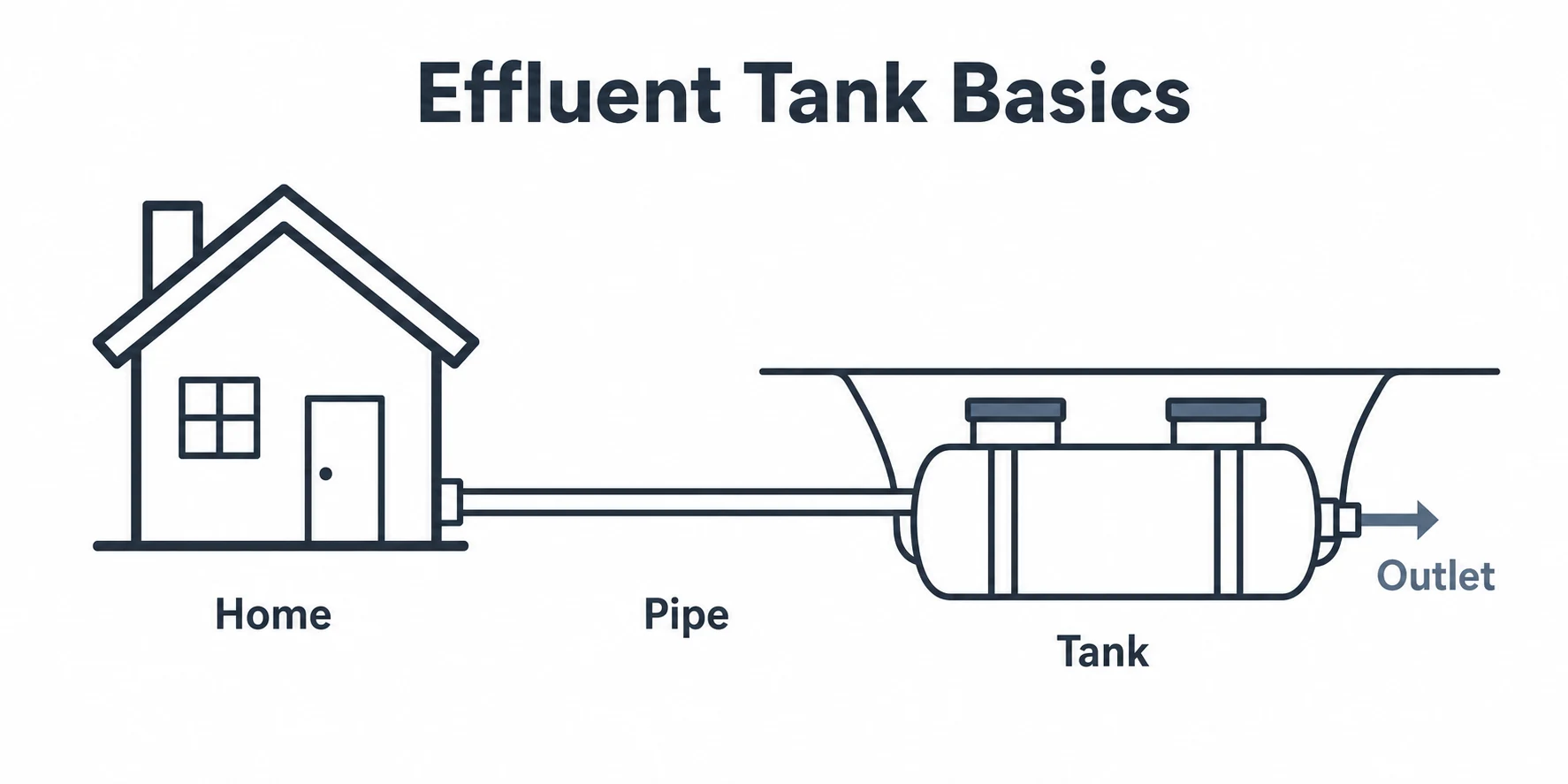
An effluent tank is used to hold or manage liquid wastewater after heavier solids have settled elsewhere, or as part of a private drainage system that separates liquid waste from sludge. In simple terms, effluent is the liquid part of wastewater. It may still contain organic matter and must be handled carefully, but it is usually different from the thicker sludge found at the bottom of a septic tank.
Effluent tanks are often linked to properties that rely on private drainage. Depending on the system, the tank may collect liquid from a septic tank, treatment plant, drainage arrangement or holding system. Some tanks are designed for temporary storage before removal. Others form one stage in a wider treatment process.
The important point for householders is that effluent is still controlled waste. It should not be pumped out casually, discharged without proper permission or allowed to overflow. If the tank is full, backing up, smelling unpleasant or no longer draining as expected, it is time to arrange professional advice and, where needed, tanker removal.
How effluent tank emptying differs from septic tank emptying
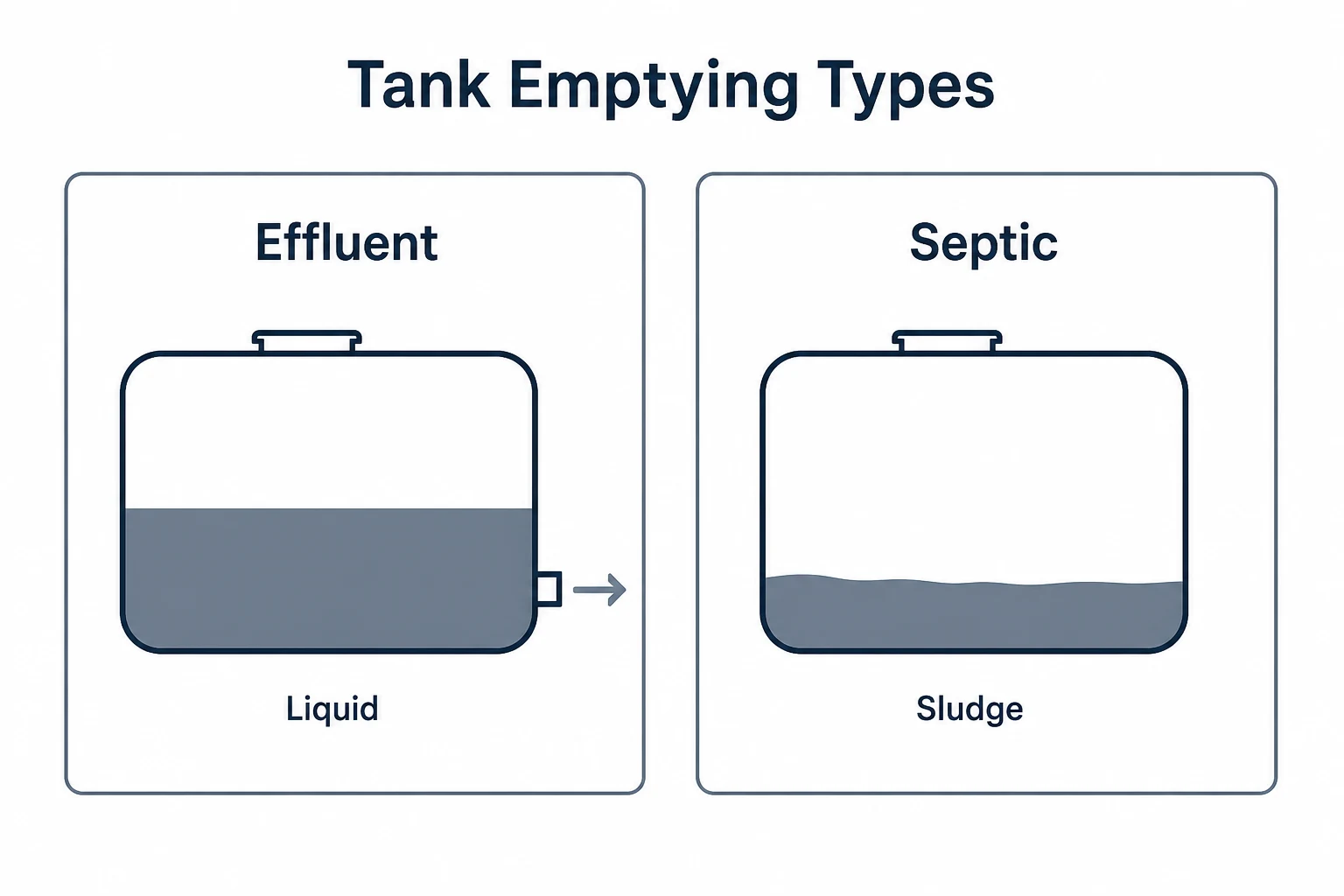
Septic tank emptying usually deals with both liquid waste and settled sludge. Inside a septic tank, solids sink to form sludge while lighter material can float as scum. The liquid layer moves through the system, often towards further treatment or drainage. Over time, the sludge layer builds and must be removed by a licensed operator using suitable tanker equipment.
Effluent tank emptying is more focused on the liquid element of the system. The waste may be thinner and easier to pump, but it still needs the right equipment, containment and disposal route. A professional operator will assess access, tank condition, hose distance and the nature of the liquid before removing it safely.
This is why the two services are related but not identical. A septic tank may need periodic sludge removal to keep the whole system working. An effluent tank may need emptying because it is a holding point, because another part of the system is not draining properly, or because liquid waste has collected after maintenance, flooding or system changes.
For householders who are unsure what type of waste they have, it is sensible to describe the system in plain terms when booking. Thames Liquid Waste Disposal can advise on liquid waste removal for domestic tanks where tanker removal is appropriate.
When a householder may need effluent tank emptying
There is no single timetable that suits every private drainage system. Tank size, household use, water habits, system design and ground conditions can all affect how quickly liquid waste accumulates. However, there are clear signs that a tank or connected system needs attention.
You may need effluent tank emptying if wastewater is slow to clear, inspection chambers are holding liquid, the tank is close to capacity, unpleasant smells are appearing around the system, or alarms and warning indicators are active. Gurgling drains, damp patches near drainage areas and wastewater returning towards the property should also be treated seriously.
Effluent removal may also be needed before or after maintenance work. If a tank needs inspection, repair, cleaning or isolation, lowering the liquid level can make the job safer and more practical. It can also help engineers see what is happening inside the system rather than working around a full tank.
Households should not wait until a system is in distress. Regular checks and planned emptying help reduce avoidable disruption. If your private drainage system also needs cleaning or inspection, the maintenance and cleaning service may be relevant alongside tanker removal.
Domestic sludge removal and liquid waste are not the same thing
Many people search for domestic sludge removal when they are not sure what needs to be taken away. Sludge, effluent and general liquid waste are connected, but each describes a different part of the waste stream.
Sludge is the heavier material that settles in a tank. It is usually thicker, more concentrated and often removed during septic tank emptying. Effluent is mainly liquid, although it may still contain suspended matter and should always be treated as wastewater. Cesspool contents may include the full mixture of household wastewater because a cesspool is a sealed holding tank rather than a treatment system.
The distinction matters because the operator needs to bring the right tanker, hoses and disposal arrangements. It also helps avoid confusion about what is actually wrong with the system. A tank might be full of liquid because the outlet is restricted. A septic tank might need sludge removal because settled solids are reducing capacity. A sealed tank might simply need routine emptying because it is doing exactly what it was designed to do.
If you do not know whether you have sludge, effluent or mixed liquid waste, do not worry. A clear description of the tank, its access point, recent symptoms and how the property uses water is usually enough to start the conversation. The operator can then guide the next step.
What to expect from professional tanker removal
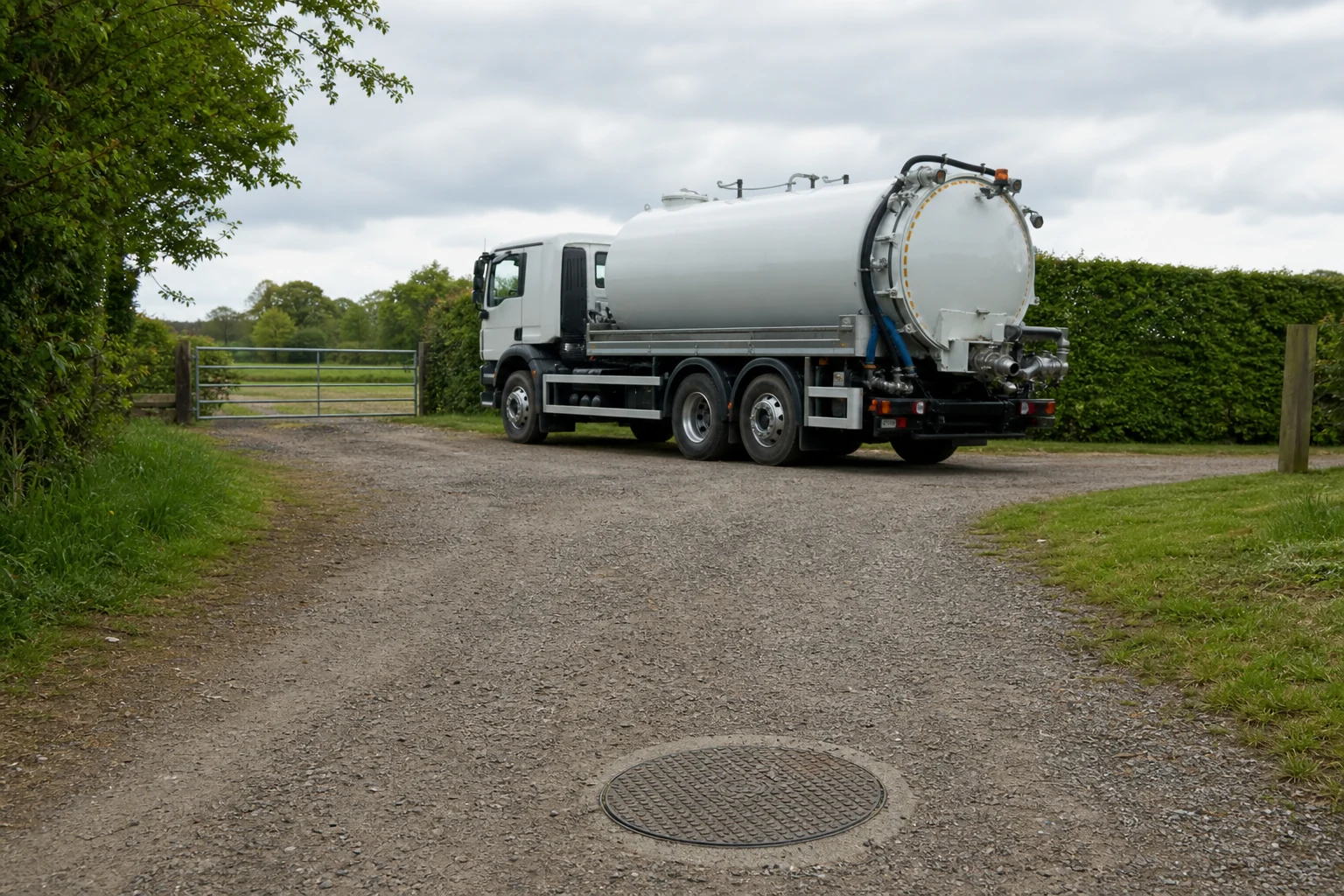
A professional tanker removal visit is usually straightforward. The operator will confirm access to the tank or chamber, position the tanker safely, run suction hoses to the access point and remove the agreed waste. The process is controlled, contained and carried out with equipment designed for liquid waste.
Before the visit, it helps to make the tank access easy to reach. Clear away movable items, unlock gates if needed and avoid covering manhole lids with heavy objects. If there are known access limits, narrow entrances or soft ground, mention them when booking so the team can plan properly.
During emptying, the operator may be able to note obvious issues such as unusually high liquid levels, poor flow or signs that the tank would benefit from cleaning. They may also recommend a future emptying pattern based on what they find, although the exact schedule will depend on the system and household use.
Because wastewater must be handled correctly, householders should use a competent waste contractor rather than attempting their own removal. The wider private drainage services available can help when the issue involves more than one tank or when the best route is not immediately clear.
How to reduce avoidable tank problems
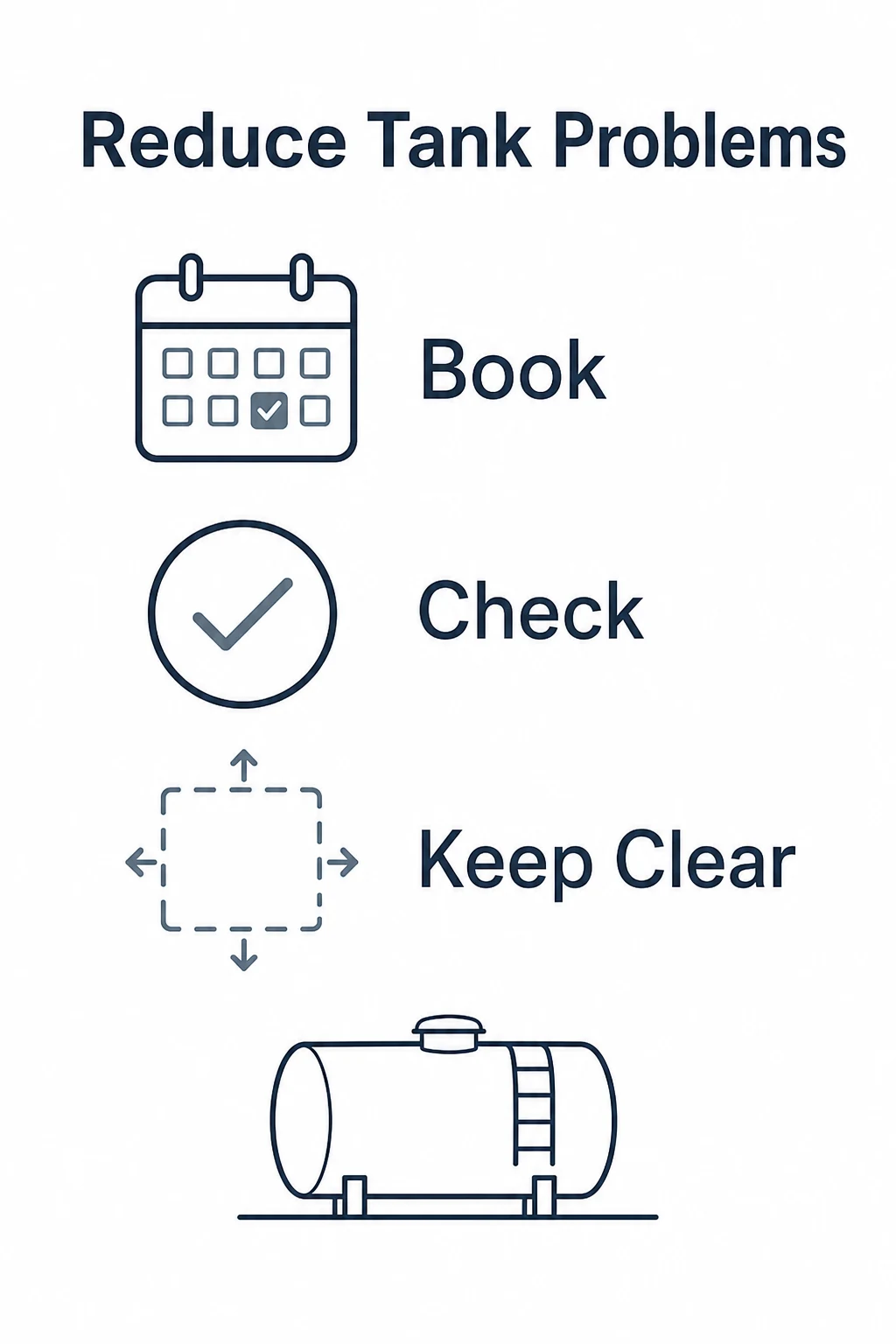
Good everyday habits make a real difference to private drainage systems. Spread laundry loads through the week, avoid flushing wipes, sanitary products, fats, oils, grease or harsh materials, and keep an eye on how the system behaves after heavy water use.
It is also worth checking visible access points from time to time. You do not need to lift covers unnecessarily, but you can look for warning signs around the area, including smells, damp ground, slow drainage or unusual noises from pipework. Early attention is usually simpler than waiting for wastewater to back up.
Keep a note of emptying dates, maintenance visits and any advice given by the operator. Over time, this record helps you understand your system. It can also be useful if you move house, arrange repairs or need to explain the setup to a contractor.
If you are new to private drainage, basic guidance on system care can be useful. Thames Liquid Waste Disposal provides helpful information for private drainage users, including practical points that can support better routine care.
- Effluent is the liquid part of wastewater, while sludge is the heavier settled material in a tank.
- Effluent tank emptying is related to septic tank emptying, but it is often focused on liquid waste removal.
- Warning signs include high tank levels, slow drainage, smells, alarms and wastewater returning towards the property.
- Professional tanker removal keeps domestic liquid waste contained, transported and disposed of correctly.
- Regular checks and sensible water use can help reduce avoidable private drainage problems.
Frequently asked questions
How do I know if I need effluent tank emptying or septic tank emptying?
If the issue is mainly liquid held in a tank or chamber, effluent tank emptying may be needed. If a septic tank has built up settled solids, septic tank emptying or sludge removal may be more appropriate. A professional operator can help identify the right service from your system type and symptoms.
Can I empty an effluent tank myself?
No. Domestic wastewater should be removed with suitable tanker equipment and taken to an authorised disposal point. Attempting to pump or discharge it yourself can create health, environmental and compliance problems.
How often should an effluent tank be emptied?
Frequency depends on tank size, system design, household water use and whether the tank is part of a treatment arrangement or a holding setup. Planned checks are the best way to understand the right pattern for your property.
What information should I give when booking tanker removal?
Share what type of tank you think you have, where the access point is, any recent smells or drainage problems, and whether the tank is near capacity. Access details are useful too, especially if the tanker needs to park away from the tank.
Need help with effluent tank emptying?
If your tank is filling, smelling or causing drainage concerns, Thames Liquid Waste Disposal can help with clear advice and professional liquid waste removal.