

Septic tanks play a crucial role in safely managing household waste in properties not connected to the main sewer system.
While often out of sight and out of mind, they require regular attention to function effectively. When neglected or misused, septic tanks can fail—causing serious disruption, health hazards, and expensive repairs.
Spotting early signs of failure can save you considerable time, money, and stress. Whether you’re a homeowner, landlord, or business with a private drainage system, it’s vital to recognise the warning signs before problems escalate.
In this blog, we’ll explore the causes of septic tank failure, common symptoms to watch for, and how to prevent long-term issues with proper care.
Common Causes of Septic Tank Failure
One of the leading causes of septic tank failure is neglect. Failing to have your tank emptied regularly can result in solids building up, clogging the system and preventing wastewater from being properly treated.
Overloading the tank by sending excess water or waste through it can also cause it to become overwhelmed, particularly during periods of heavy use.
Other common culprits include flushing items such as wet wipes, sanitary products, fats, oils, and chemicals, which can all damage the bacterial balance within the tank or physically block pipes.
Additionally, tree roots can infiltrate pipework, while tanks installed on unsuitable soil types or without proper drainage fields may be more prone to malfunction.

Early Warning Signs You Shouldn’t Ignore
If your drains or toilets are emptying more slowly than usual, it could indicate a blockage or a full tank.
This is especially concerning when multiple fixtures in the house are affected simultaneously, pointing to a problem further along in the system rather than with a single drain.
Another red flag is the presence of unpleasant odours around your property, particularly near the septic tank or drain field.
Foul smells suggest that waste is not being processed correctly and may be leaking or stagnating. These signs should never be dismissed, as they typically mean your system is under stress.
Health and Environmental Risks of Ignoring the Signs
Allowing a septic tank to fail can pose significant health risks. Untreated waste may seep into the ground or surface water, potentially contaminating drinking supplies with harmful bacteria and viruses.
This can result in gastrointestinal illnesses, skin infections, and more serious health concerns, especially for vulnerable individuals.
Beyond the immediate health implications, a failing tank can also cause lasting environmental damage. Pollutants from untreated waste can kill local wildlife, degrade ecosystems, and impact nearby agricultural land.
Moreover, improper waste discharge may breach environmental regulations, resulting in fines or enforcement action from local authorities.
What to Do If You Suspect a Problem
If you notice any of the signs mentioned earlier, it’s important not to ignore them or try to inspect the tank yourself. Septic tanks contain hazardous gases and materials that pose safety risks.
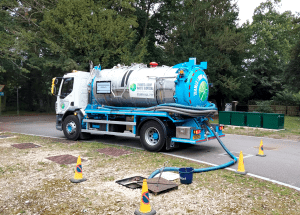
The best course of action is to contact a qualified liquid waste disposal company to carry out a full inspection and recommend the appropriate solution.
In the meantime, try to minimise your water usage and avoid flushing anything unnecessary down the drains.
Take note of any symptoms, such as when they began and how frequently they occur, as this information can help professionals identify the root cause more efficiently. Acting early can help prevent a minor issue from turning into a full-blown emergency.
Preventative Measures to Avoid Future Failures
The most effective way to avoid septic tank failure is to establish a regular maintenance routine. Most tanks should be emptied every 12 months, although this can vary depending on usage and tank size.
Booking a scheduled service with a reliable disposal provider ensures your tank stays within safe capacity and operates efficiently.
Educating everyone in the household about what should and shouldn’t go down the drains is also key. Avoid flushing wipes, nappies, or pouring grease down the sink, as these materials can quickly clog the system.
Scheduling periodic inspections, especially for older systems, can help detect wear and tear before it becomes a serious issue.
Conclusion
Septic tank issues rarely appear without warning. From slow drainage and bad smells to waterlogged ground and backups, the signs are there if you know what to look for.
Taking swift action when these symptoms arise is the best way to protect your property, health, and the environment.
Don’t wait until your septic system fails. A quick call to a licensed professional can save you thousands in repairs and keep your system running smoothly.
If you’ve spotted any of the warning signs mentioned above, now is the time to arrange a professional assessment or routine emptying service.