
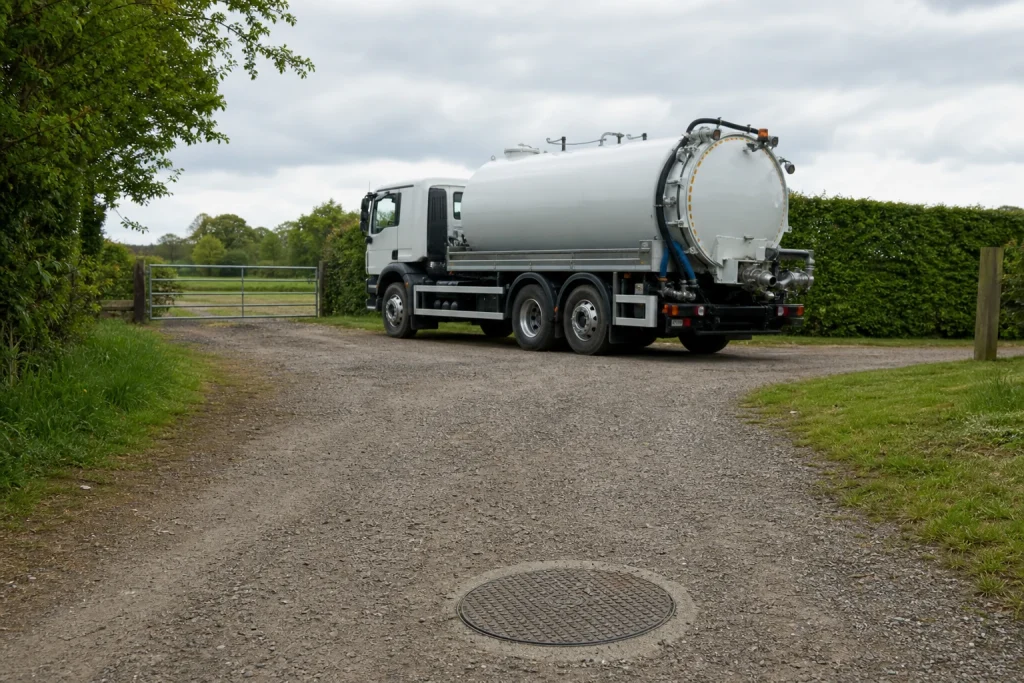
If you have a septic tank, you may have wondered whether using bleach around the home could damage your drainage system. It is a common concern, particularly as bleach is one of the most widely used household cleaning products. While bleach is effective at killing bacteria and disinfecting surfaces, your septic tank depends on beneficial bacteria to break down waste naturally.
The good news is that using bleach does not automatically mean you’ll damage your septic tank. In most households, normal cleaning routines are unlikely to cause any serious issues. Problems are more likely to arise when excessive amounts of bleach or other harsh chemicals regularly enter the system. Understanding how bleach affects your septic tank can help you clean your home safely while keeping your wastewater system working as it should.
How Does a Septic Tank Work?
A septic tank is an underground wastewater treatment system commonly found at properties that are not connected to the mains sewer network. Wastewater from toilets, sinks, showers and appliances flows into the tank, where solids settle at the bottom to form sludge, oils and grease rise to the top as scum, and the liquid layer in the middle continues to the soakaway or drainage field.
The entire process relies on naturally occurring bacteria inside the tank. These bacteria break down organic waste, reducing the amount of sludge that builds up and helping the system operate efficiently. Without a healthy bacterial population, waste is broken down more slowly, increasing the likelihood of blockages, unpleasant odours and costly maintenance issues.
What Does Bleach Do Inside a Septic Tank?
Bleach is designed to kill bacteria, viruses and other microorganisms, making it highly effective for cleaning kitchens, bathrooms and other areas of the home. However, when bleach enters a septic tank, it does not distinguish between harmful bacteria and the beneficial bacteria that keep the system functioning properly.
Fortunately, the small amounts of bleach used during everyday household cleaning are usually diluted significantly before reaching the septic tank. This means occasional use is unlikely to eliminate enough bacteria to affect performance. It is repeated or excessive use that can gradually reduce bacterial activity and make it harder for waste to decompose naturally.
Is It Safe to Use Bleach With a Septic Tank?
Small Amounts Are Usually Acceptable
For most households, using bleach in moderation is perfectly reasonable. Cleaning kitchen worktops, disinfecting bathrooms or using a small amount of bleach in your washing machine from time to time is unlikely to cause any lasting damage to a healthy septic system.
By the time the wastewater reaches the tank, the bleach has often been diluted by water from other household activities. Modern septic systems are generally capable of coping with sensible amounts of household cleaning products, provided they are not used excessively or all at once.
Excessive Bleach Use Can Cause Problems
Problems can occur when large volumes of bleach are regularly washed into the drainage system. This may happen during extensive cleaning, commercial cleaning activities or if bleach is frequently poured directly down sinks, toilets or outside drains.
Over time, excessive bleach can reduce the number of beneficial bacteria within the tank. As bacterial activity decreases, waste takes longer to break down, sludge accumulates more quickly and the overall performance of the septic system may begin to decline.
Common Household Products to Be Careful With
Bleach is not the only product that should be used carefully if you have a septic tank. Strong drain cleaners, antibacterial disinfectants, paints, solvents and certain chemical-based cleaning products can all interfere with the natural biological processes inside the tank when used in large quantities.
Rather than pouring unwanted chemicals into sinks or drains, they should always be disposed of responsibly in accordance with local guidance. Using cleaning products sensibly and avoiding unnecessary chemical disposal through your drainage system can help extend the life of your septic tank and reduce the likelihood of unexpected problems.
Alternatives to Bleach for Septic Tank Owners
Many homeowners choose to use septic-safe or environmentally friendly cleaning products as part of their regular cleaning routine. These products are typically formulated to have less impact on the beneficial bacteria within your septic tank while still providing effective cleaning performance.
For certain household jobs, simple alternatives such as white vinegar and bicarbonate of soda can also be useful. While these natural products are not suitable for every cleaning task, they may provide an effective solution for removing odours, cleaning surfaces and tackling light staining without introducing unnecessary harsh chemicals into your wastewater system.
Signs Your Septic Tank May Be Struggling
If your septic tank is not functioning properly, you may begin to notice warning signs around your property. Slow-draining sinks, toilets that flush poorly, unpleasant smells near the tank or drainage field, and standing water around the soakaway can all indicate that something is wrong.
Although bleach alone is rarely the sole cause of these problems, excessive chemical use may contribute if it has disrupted the bacterial balance inside the tank. These symptoms could also point to an overdue emptying, a blocked outlet, a damaged soakaway or another issue that requires professional attention.
Tips for Keeping Your Septic Tank Healthy
Keeping your septic tank in good condition is largely about developing sensible everyday habits. Use cleaning products in moderation, avoid pouring chemicals directly into drains, spread laundry loads throughout the week where possible and only flush toilet paper and human waste into the system.
Regular maintenance is equally important. Scheduling routine septic tank emptying before sludge levels become excessive helps maintain efficient operation and reduces the risk of emergency call-outs.
Paying attention to any unusual smells or drainage problems can also allow issues to be identified before they become more serious.
When to Arrange a Septic Tank Emptying
Even if your septic tank appears to be working normally, it will still require regular emptying to remove accumulated sludge.
Delaying emptying appointments can increase the risk of blockages, overflows and damage to your soakaway system.
Routine maintenance not only helps your septic tank continue operating efficiently but can also reduce the likelihood of expensive repairs in the future.
Conclusion
Using bleach does not mean you are putting your septic tank at risk. For most households, normal cleaning routines involving small amounts of bleach are perfectly acceptable and are unlikely to affect the beneficial bacteria that your septic system depends on.
The key is moderation and avoiding the disposal of large quantities of harsh chemicals through your drains.
If you are unsure whether your septic tank is operating as it should, or your system is due for routine maintenance, Thames Liquid Waste Disposal can help.
Our experienced team provides reliable septic tank emptying and liquid waste disposal services, helping homeowners keep their systems running efficiently while avoiding unnecessary breakdowns and costly repairs.