
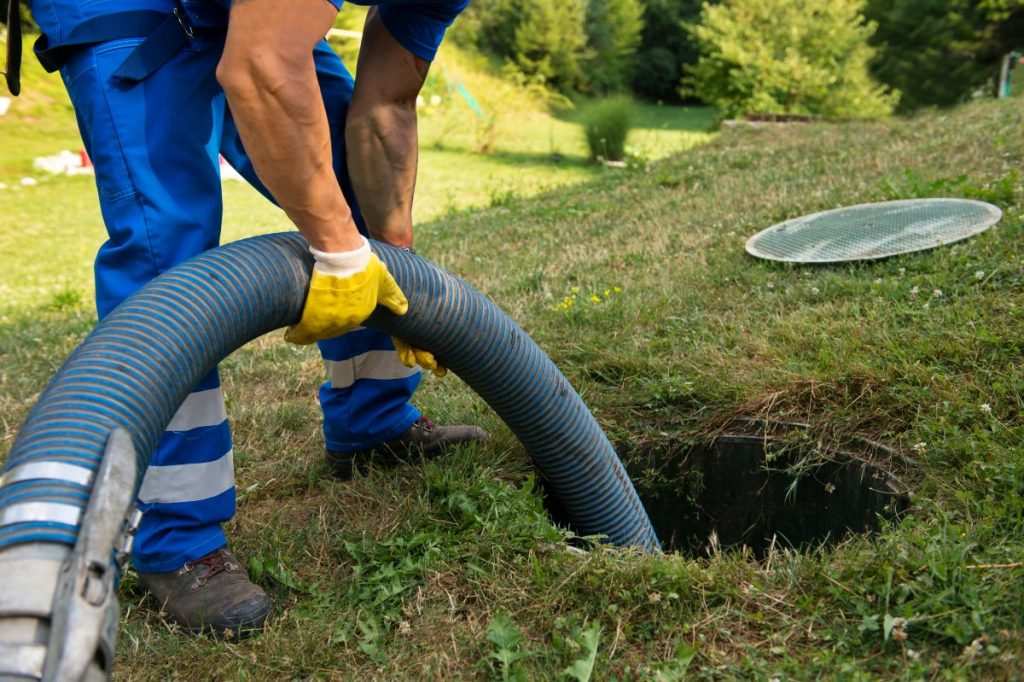
Cesspits play a vital role in managing wastewater for properties not connected to main sewer systems. Unlike septic tanks, cesspits don’t treat waste but simply store it, requiring regular emptying to prevent overflow and environmental hazards. Knowing when your cesspit needs attention is crucial for avoiding costly problems. Here are the most common signs that it’s time to empty your cesspit.
1. Slow Drainage Issues
One of the first signs of a full cesspit is slow drainage. If your sinks, baths, or toilets are draining slower than usual, it could indicate that your cesspit is nearing capacity. When waste builds up, it obstructs the flow of water, causing frustrating delays. While a blockage elsewhere in the system could be the cause, it’s wise to check your cesspit levels and arrange for emptying if needed.
2. Foul Smells Around Your Property
Bad odours near your cesspit or drains are a clear warning sign that something is amiss. When a cesspit is full, gases from decomposing waste can escape into the surrounding environment, creating unpleasant smells. While odour-neutralising treatments can provide temporary relief, they won’t solve the underlying issue. Regular emptying is the only way to keep these smells under control.
3. Overflow or Leaks Around the Cesspit
If wastewater is leaking or overflowing from your cesspit, it’s a strong indication that it’s at capacity. This can lead to serious environmental hazards, including soil contamination and groundwater pollution. Overflowing waste can also damage your property and create health risks. Prompt action is essential to prevent further issues.
4. Increased Frequency of Pump-Outs
If you find yourself needing to empty your cesspit more often than usual, it may be filling faster than expected. Factors such as increased household usage or improper disposal of non-biodegradable items can contribute to this. Regular monitoring of your cesspit’s levels will help you identify any unusual patterns and address them before they escalate.
5. Unusual Noises from Plumbing
Gurgling sounds coming from your pipes or drains could be another sign of a full cesspit. These noises occur when air is trapped in the system due to blockages caused by waste buildup. If you notice these sounds, it’s a good idea to check your cesspit and arrange for a professional assessment if necessary.
6. Rising Costs Due to Neglect
Ignoring the warning signs of a full cesspit can lead to expensive repairs and even fines for environmental violations. Overflowing waste or leaks can damage your property and harm the surrounding environment. Regular maintenance and timely emptying are far more cost-effective than dealing with the consequences of neglect.
7. Visual Inspection Clues
If you suspect your cesspit might be full, a quick visual inspection can provide answers. Safely lift the cover to check the liquid levels. If the waste is nearing the top or solids are visible, it’s time to schedule an emptying service. Always take safety precautions when inspecting cesspits, as harmful gases can accumulate inside.
Summary
Keeping your cesspit in good condition is essential for preventing unpleasant odours, environmental damage, and costly repairs. Watch for key signs such as slow drainage, foul smells, overflows, unusual noises, and high waste levels. Regular maintenance ensures your cesspit remains functional and safe for your property.
If you’ve noticed any of these signs, it’s time to act. Contact Thames Liquid Waste Disposal today to schedule a professional cesspit emptying service. Our experts will help you maintain a clean, efficient, and hassle-free waste management system.