
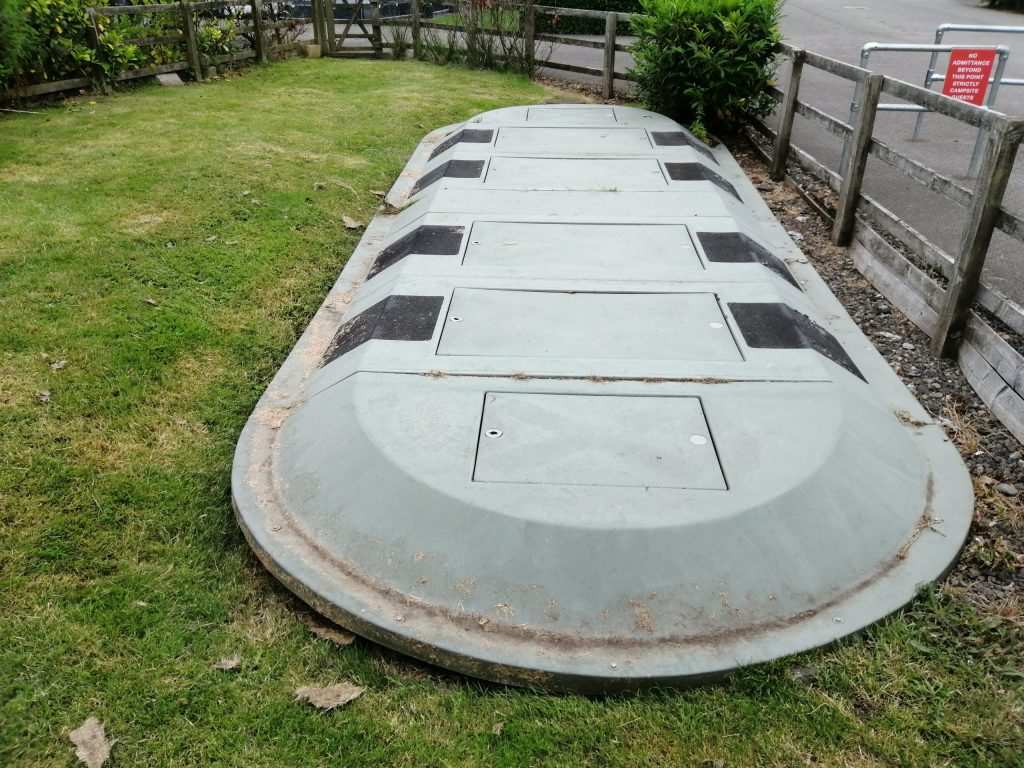
Proper liquid waste management is an essential consideration for property owners, particularly those in rural areas where mains drainage is unavailable. Whether you’re installing a new system or maintaining an existing one, understanding the key differences between septic tanks and cesspools can save time, money, and potential environmental complications.
Many people use the terms “septic tank” and “cesspool” interchangeably, but they are vastly different in function, structure, and maintenance requirements. In this blog, we’ll explain the distinctions between the two systems, their advantages and disadvantages, and how to choose the right option for your property.
What Is a Septic Tank?
A septic tank is a wastewater treatment system designed to process and partially treat domestic sewage. Wastewater from a property flows into the tank, where it separates into three layers: solids settle at the bottom as sludge, liquid effluent remains in the middle, and lighter materials like oils float to the top.
The treated liquid is then discharged into a drainage field or soakaway, where it is further filtered by the soil.
Septic tanks are a popular choice for properties without access to mains drainage because they offer an environmentally friendly way to manage waste. Their efficiency lies in their ability to treat and safely dispose of wastewater, reducing the need for frequent emptying and minimising environmental impact.
What Is a Cesspool?
A cesspool, also known as a cesspit, is a sealed underground tank designed solely for storing sewage and wastewater. Unlike a septic tank, it does not treat waste or allow for the discharge of liquid. Once the cesspool is full, it must be emptied entirely by a licensed waste disposal service.
Cesspools are often used as a last resort, typically in areas where other systems cannot be installed due to ground conditions, legal restrictions, or lack of space. While simple to install and use, they require more frequent maintenance and can be costly to manage due to the regular emptying required.
Key Differences Between Septic Tanks and Cesspools
The primary difference between septic tanks and cesspools lies in their design and functionality. A septic tank actively processes waste, separating it into solid and liquid components and discharging treated liquid into a drainage field. In contrast, a cesspool merely stores waste and must be emptied when full.
Maintenance requirements also differ significantly. Septic tanks need periodic emptying to remove sludge buildup, but this is typically only required every 1-3 years, depending on usage.
Cesspools, on the other hand, need emptying much more frequently—sometimes as often as every few weeks or months.
Advantages and Disadvantages of Each System
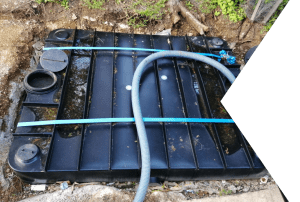
Septic tanks offer numerous advantages, including lower long-term maintenance costs and a smaller environmental footprint, as they treat and discharge waste rather than storing it. However, they do require proper installation and regular servicing to prevent issues such as blockages or leaks.
Cesspools, while simpler to install and maintain in the short term, come with higher ongoing costs due to frequent emptying.
They may be suitable for properties with limited space or where regulations prevent the installation of a drainage field, but their environmental impact and maintenance demands can be significant drawbacks.
How to Determine Which System Is Right for Your Property
Choosing between a septic tank and a cesspool depends on several factors, including your property’s size, location, and soil conditions.
Properties with adequate space for a drainage field and appropriate soil permeability are better suited to septic tanks, while those with limited options may require a cesspool.
Consulting a professional is essential when making this decision. They can assess your property’s specific needs and ensure compliance with local regulations, helping you choose the most practical and cost-effective solution.
Common Issues and How to Address Them
Septic tanks can encounter problems such as blockages, foul odours, or drainage field failures. Regular inspections, timely emptying, and proper use (e.g., avoiding flushing non-biodegradable items) can help prevent these issues and prolong the system’s lifespan.
Cesspools are prone to overflows and odours due to their storage-only design. Frequent emptying is crucial to avoid environmental hazards and ensure the system operates effectively.
Engaging a reliable waste disposal service is key to maintaining a hassle-free cesspool system.
Conclusion
Septic tanks and cesspools serve distinct purposes in managing liquid waste, and understanding their differences is crucial for property owners. While septic tanks provide a cost-effective and environmentally friendly solution, cesspools offer a simpler alternative for properties with unique challenges.
Whichever system you choose, proper maintenance is vital to ensure long-term functionality and compliance with environmental regulations. By staying informed and seeking expert guidance, you can make the best decision for your property.
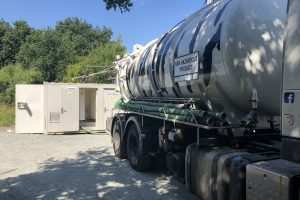
At Thames Liquid Waste Disposal, we specialise in the maintenance, emptying, and installation of septic tanks and cesspools. Our experienced team is here to ensure your waste management system operates efficiently and complies with all legal requirements.
Contact us today to discuss your needs or arrange a service. Let us help you take the hassle out of liquid waste disposal!