
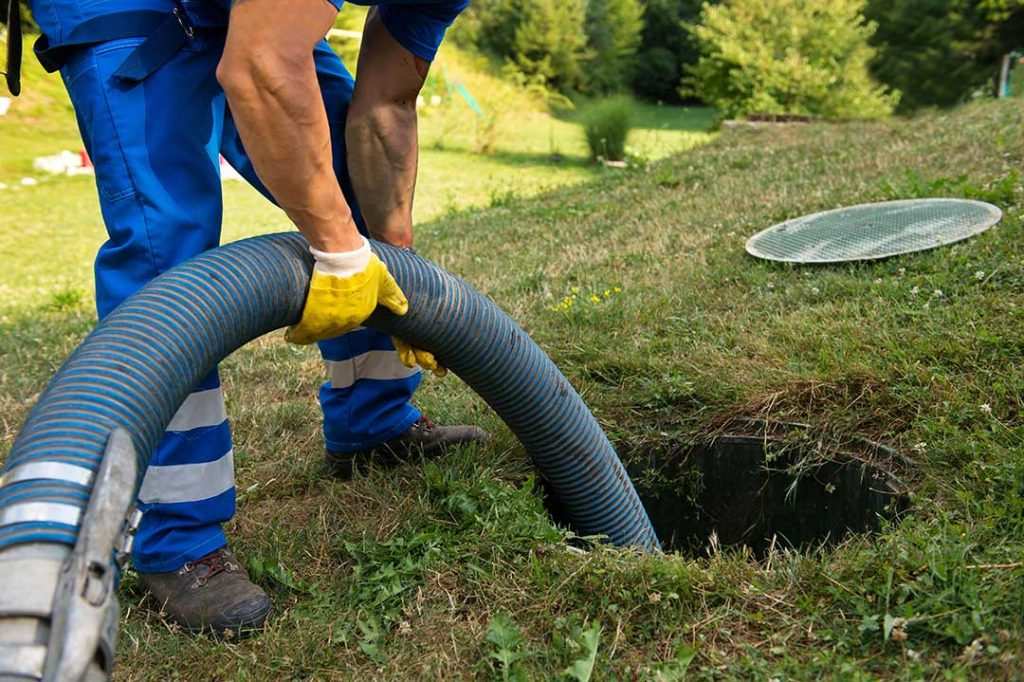
British weather has always been a bit unpredictable, but many homeowners are noticing a clear shift. Downpours feel heavier, flooding seems more frequent, and “once in a decade” storms keep turning up every couple of years. For anyone relying on a septic tank or cesspit, that change in weather is not just an inconvenience – it can quietly put your waste water system under serious strain.
This article looks at how heavy rainfall and a changing climate affect septic systems, the warning signs to watch for, and the practical steps you can take to stay ahead of problems. Along the way, we will also touch on how a specialist tanker company such as Thames Liquid Waste can help you protect your system before, during and after extreme weather.
Why Wetter Weather Is a Growing Problem
Warmer air can hold more moisture. When that moisture is released, you get more intense rainfall events. Across the UK, that appears to mean:
- More frequent heavy downpours, especially in autumn and winter.
- Storms that drop a large amount of rain in a short time.
- Greater risk of surface flooding and saturated ground.
That extra water has to go somewhere. Mains sewers are under pressure, but so are private systems. Septic tanks and soakaways depend on the surrounding soil to absorb treated effluent. When the ground is already soaked, the system simply has no capacity left – and that is when the trouble starts.
What Heavy Rain Does to a Septic System
1. Soil saturation and struggling soakaways
Under normal conditions, effluent flows from the septic tank into the drainage field and slowly percolates through the soil. After prolonged or intense rain, the soil around that drainage field can become waterlogged. When this happens, the effluent may struggle to disperse properly.
Typical effects include:
- Sinks, showers and toilets draining more slowly than usual.
- Gurgling noises from pipework as air and water fight for space.
- Damp or boggy patches on the lawn above the soakaway.
- Standing water over inspection covers or around the tank area.
If the system is already close to capacity before the wet weather arrives, heavy rain is likely to make these symptoms much worse, much faster.
2. Flooding and sewage backing up
In more severe cases, floodwater can enter the drainage field itself. Once the surrounding ground is fully saturated, there is nowhere left for water to go except back towards the tank and, ultimately, back towards the property.
This may lead to:
- Wastewater backing up into toilets, showers or floor drains.
- Strong foul odours around the property.
- Contaminated surface water near ditches, streams or driveways.
At this point, the system is not just under strain – it is a potential health hazard. The tank and drainage field should not be used until they have been checked by a professional, and this is where a company experienced in emergency call-outs, such as Thames Liquid Waste, becomes very valuable.
3. Structural stress on tanks and pipework
Heavy rain and high groundwater levels can also create physical stress. In extreme cases, saturated ground and rising water can place upward pressure on buried tanks and pipe runs. If lids, joints or older sections of pipework are already weak, this extra stress may cause movement, cracking or leaks.
You might not notice that damage straight away. A tank may appear to “work” for a while, but small cracks can allow groundwater to seep in and dilute the contents, upsetting the treatment process and accelerating the need for repair or replacement.
Climate Change: Not Just About Rain
Heavy rainfall is only part of the picture. Climate change also appears to be increasing the swings between very wet and very dry conditions, with colder snaps and hotter summers in the mix. Septic systems feel all of this.
Colder spells and frozen components
During sharp cold snaps, sections of pipework and even parts of the drain field can freeze. When that happens, wastewater cannot move through the system as it should, and it may back up into the property. At the same time, low temperatures slow down the bacteria that break down waste inside the tank, so the sludge layer grows more quickly than usual.
Hotter, drier summers and stressed drain fields
Prolonged dry periods bring another set of problems. Soil can shrink and crack when it dries out, which may affect how evenly effluent is distributed in the drain field. In addition, many households use more water in summer for showers, garden watering and outdoor activities. That extra load on a system already coping with altered soil conditions is likely to push weak spots to the surface.
The overall result? Septic tanks and soakaways that were once reasonably forgiving may now be operating much closer to their limits throughout the year.
Warning Signs Your System Is Struggling
Some symptoms are easy to ignore until they become hard to live with. If you rely on a septic tank or cesspit, it is worth keeping an eye (and nose) out for:
- Slow drains or toilets that regularly “hang” before flushing away.
- Gurgling sounds in pipework after heavy rain.
- Wet, spongy or unusually green patches on the lawn near the soakaway.
- Foul smells outdoors, especially around manholes or tank lids.
- Frequent need to empty the tank sooner than expected.
- Any backup of sewage into the property – this is always urgent.
Individually, these might not prove anything. Taken together, especially after a spell of severe weather, they are a strong hint that your system needs professional attention.
Practical Steps to Protect Your Septic System
You cannot control the weather, but you can make life easier for your septic system. A few practical habits go a long way when rainfall is getting heavier and less predictable.
Manage water use sensibly
- Try not to do multiple full loads of washing on a stormy day; spread them across the week instead.
- Fix dripping taps and constantly running loos.
- Avoid directing roof gutters or surface water into the septic system or soakaway area.
Look after the drain field
- Keep vehicles, heavy planters and sheds off the drainage field.
- Do not plant trees or large shrubs on top of the soakaway.
- Keep nearby ditches and channels clear so rainwater can escape.
Stay on top of emptying and maintenance
- Empty the tank at the intervals recommended for its size and usage.
- Avoid flushing fats, oils, chemicals or wipes.
- Have pipework, lids and baffles checked during routine visits.
Thames Liquid Waste can also help by scheduling regular emptying and spotting early warning signs before they turn into costly repairs.
How Thames Liquid Waste Can Help
When rainfall patterns are changing, having a waste contractor who understands local ground conditions is extremely valuable. Thames Liquid Waste provides septic tank and cesspit emptying, liquid waste removal and maintenance across Oxfordshire and nearby areas.
- Planned emptying schedules designed for wetter winters.
- Advice on protecting and maintaining drainage fields.
- Rapid response for tanks at risk of overflowing after storms.
- Support with compliance and environmental best practice.
Final Thoughts
Heavy rainfall and climate change are not abstract ideas when you rely on a septic tank or cesspit – they show up as slow drains, soggy lawns and, in the worst cases, sewage where it definitely should not be. While you cannot stop the storms, you can strengthen your system with sensible water habits, regular maintenance and fast action when signs of trouble appear.
If you are worried about how recent weather may have affected your tank, or simply want peace of mind before the next storm, speaking to a specialist like Thames Liquid Waste is a smart step. A quick visit now could prevent a far more unpleasant problem during the next downpour.