
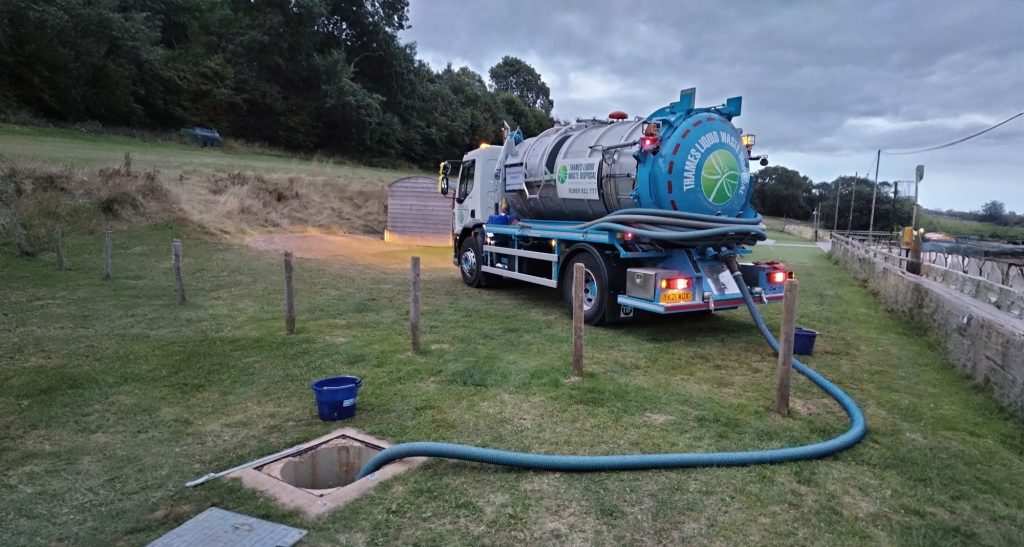
Preparing your property in advance of a tanker emptying visit ensures the process runs smoothly and safely.
When access is clear and the area is properly set up, operators can work efficiently without unnecessary delays. This not only saves time but also helps avoid potential damage to your property or the waste system itself.
It also offers peace of mind for homeowners, knowing that everything is ready for the engineer’s arrival.
By taking a few simple steps beforehand, you can help guarantee a stress-free service and reduce the likelihood of unexpected disruptions on the day.
Confirm Access Requirements
Before the tanker arrives, it is important to check that the vehicle will be able to access your property without difficulty.
Waste tankers are large vehicles, so ensure the route is wide enough and free of parked cars, overhanging branches, or low-lying wires.
If you have gates, confirm that they can open fully and will not hinder the tanker’s approach.
If your property includes narrow lanes or tight turns, it may be worth informing the waste management company in advance.
They can assess whether access is suitable or advise on alternative arrangements. A clear and unobstructed route helps the driver manoeuvre safely and prevents delays.
Locate and Expose the Tank
Knowing the exact location of your septic tank, cesspit, or sewage treatment plant is essential. If the tank lids are buried under soil, gravel, or grass, uncover them before the engineer arrives.
This saves time and ensures that the operator can begin work immediately without needing to dig or search.
If you are unsure of the tank’s position, check any property documents, previous reports, or diagrams from past services.
Identifying and exposing the lids in advance also helps avoid accidental damage to surrounding areas during the emptying process.
Clear the Surrounding Area
Make sure the space around your tank is clear of obstacles such as garden furniture, bins, plant pots, or vehicles. This provides the engineer with ample room to work and allows hoses to be positioned safely.
Keeping pets and livestock away from the area is also important, as they can become distressed or create hazards during the visit.
Overgrown vegetation can also cause issues, so consider trimming back bushes or long grass near the tank.
A tidy working zone ensures the operator can move freely, reduces trip hazards, and contributes to a more efficient emptying process.
Check for Potential Hazards
Walk around the area to identify any potential dangers, such as uneven ground, loose paving, or slippery surfaces. Addressing these hazards early helps protect both the engineer and anyone else on the property.
If the ground is particularly soft or waterlogged, inform the waste company so they can take extra precautions.
Children’s play equipment, open ditches, and steep slopes can also pose risks during a tanker visit.
Ensuring the area is as safe as possible helps minimise the chance of accidents and keeps the process straightforward for everyone involved.

Inform Household Members or Staff
Let anyone living or working on the property know when the tanker visit is scheduled. This encourages others to keep access routes clear and avoid parking in areas that need to remain open.
Clear communication helps prevent last-minute issues and ensures the engineer can begin work promptly.
If you have pets, plan to keep them indoors or safely confined during the visit.
Not only does this protect the engineer, but it also prevents animals from becoming anxious or getting in the way of the tanker and equipment.
Prepare for Noise and Odours
While modern tankers operate efficiently, noise is inevitable when the pump system is in use.
Make residents aware so they can plan accordingly, particularly if young children or vulnerable individuals are present. Closing windows near the working area can help reduce disruption.
A brief release of odours is also normal during emptying, especially with older systems. Ensuring rooms near the tank area are closed can minimise the impact.
Knowing what to expect helps avoid unnecessary concern while the service is taking place.
Ensure System Information Is Ready
If you have documents such as maintenance records, installation diagrams, or previous service notes, keep them accessible.
These can be helpful if the engineer needs to understand the system’s layout or identify any past issues. Having this information ready can speed up the process and reduce the chance of confusion.
If you notice unusual smells, pooling water, or slow drainage before the visit, mention this to the operator.
These small details can provide useful clues about the system’s condition and help ensure the job is completed thoroughly.
What to Expect on the Day
On the day of the visit, the engineer will park the tanker as close as safely possible to your system. They will then lay out hoses, open the tank lids, and begin the emptying process.
Depending on the size and condition of your system, the service may take anywhere from a short visit to a longer appointment.
The operator may also inspect the tank for signs of wear, blockages, or structural issues. This routine check helps identify any potential problems early.
Once the tank is empty, the area will be cleaned up and the lids securely replaced before the engineer departs.
Aftercare Tips
After the service is completed, take a moment to check that all lids are properly secured and the surrounding area is tidy.
If your system requires biological additives or routine maintenance, now is a good time to carry out any recommended tasks.
Monitor your drainage over the next few days to ensure everything is functioning normally.
If you notice unusual smells, slow drains, or any changes in performance, contact your waste specialist for advice. Staying proactive helps maintain the health and longevity of your system.
Conclusion
Proper preparation ahead of a tanker emptying visit ensures the process is efficient, safe, and hassle-free.
Taking a few simple steps can make a significant difference to both you and the engineer, helping the service run smoothly from start to finish.
By keeping access clear, securing the area, and being aware of what to expect, you can contribute to a straightforward visit and help maintain your waste system in excellent condition for the long term.