
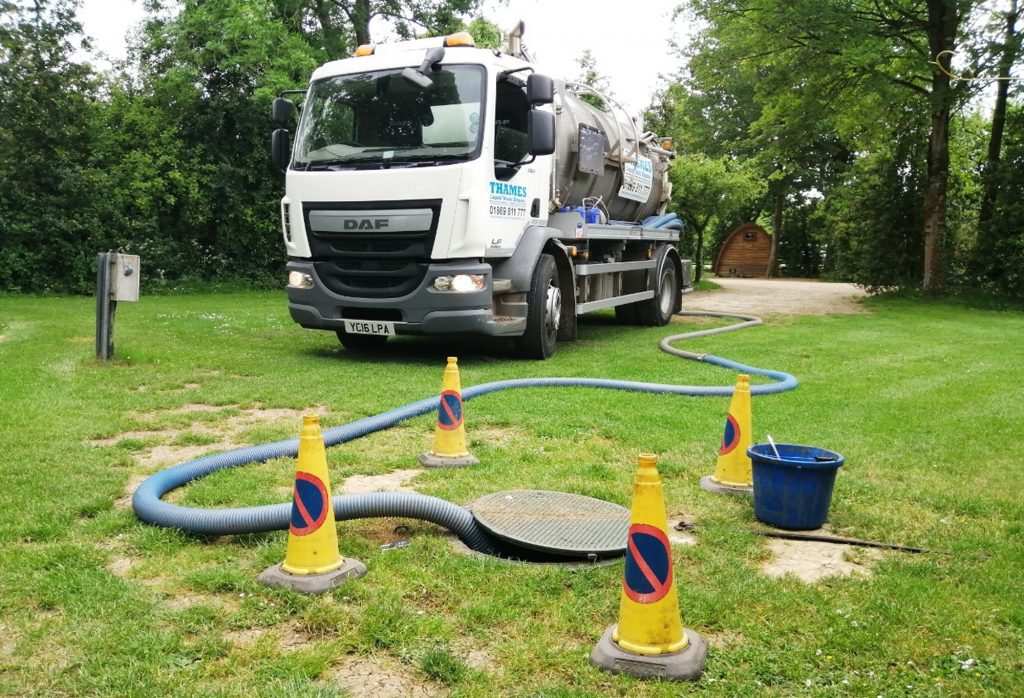
For many homeowners, septic tank emptying feels like a job that begins and ends with a tanker arriving, doing its work, and disappearing down the road.
Once the lids are back in place, it is easy to assume everything is sorted for another year or two.
In reality, emptying the tank is only one part of a longer process.
What happens afterwards plays a quiet but important role in keeping the system compliant, environmentally sound, and less likely to fail when you least expect it.
Initial Inspection After Emptying
Once the tank has been emptied, technicians will usually take a moment to assess its condition while everything is visible.
This is often the only opportunity to properly see the internal structure, as solids and liquids normally obscure potential issues.
They may check for cracks in the tank walls, damaged baffles, or signs that waste has been flowing incorrectly.
These observations can be useful, as they highlight problems early, before they develop into leaks or costly repairs.
How the Waste Is Transported and Logged
After leaving your property, the waste does not simply vanish into the system. It is transported by a licensed waste carrier, using vehicles designed specifically for liquid waste handling.
Each load is logged and documented, creating a clear record of where the waste came from and where it is going.
This paperwork may seem administrative, but it exists to ensure waste is handled legally and responsibly under UK regulations.
What Happens at the Treatment Facility
At the treatment facility, septic waste goes through a controlled process designed to reduce environmental risk. Solids and liquids are separated, with each component treated in line with regulatory requirements.
The treatment process is managed to prevent contamination of land or waterways. While most homeowners never see this stage, it is arguably the most important part of responsible septic waste disposal.
Why Records and Compliance Matter
In the UK, septic waste disposal is governed by strict rules, and both contractors and property owners have responsibilities. Proper documentation shows that waste has been handled correctly and by a licensed operator.
If issues arise in the future, these records can provide reassurance and protection. They demonstrate that you have taken reasonable steps to maintain your system and comply with environmental legislation.
Common Issues Discovered After Emptying
Emptying a septic tank often reveals problems that were previously hidden. Damaged baffles, excessive sludge build-up, or signs of backflow are all issues that may only become obvious once the tank is clear.
Some problems are minor and simply need monitoring, while others may suggest deeper drainage or soakaway concerns. Spotting these early can prevent unpleasant surprises later on.
What Homeowners Should Do After a Tank Has Been Emptied
After emptying, it is usually sensible to be mindful of water usage for a short period. Gradually returning to normal use allows the system to rebalance and function as intended.
Homeowners may also want to avoid harsh chemicals or non-biodegradable items, which can disrupt the natural bacteria within the tank. Small changes in daily habits often make a noticeable difference over time.
How Often Emptying Should Really Be Scheduled
There is no single schedule that suits every property. The frequency of emptying depends on factors such as household size, tank capacity, and how the system is used day to day.
Some tanks may need attention more frequently than expected, while others can comfortably go longer between services.
A professional assessment can help determine a realistic and cost-effective schedule.

When to Book Further Work or Maintenance
If any issues are identified during emptying or inspection, follow-up work may be recommended.
This could involve repairs, drainage checks, or improvements to the soakaway system.
Addressing these concerns sooner rather than later often reduces long-term costs. It also lowers the risk of emergency call-outs, which tend to happen at the least convenient times.
Final Thoughts
Septic tank emptying is not just a routine task to tick off a list. It is part of a broader process designed to protect your property and the surrounding environment.
Understanding what happens after the tank is emptied may encourage a more proactive approach to maintenance.
In the long run, that awareness is likely to save time, money, and unnecessary stress.