
Winter can be particularly harsh on waste water systems, with freezing temperatures putting strain on pipes, tanks, and drains. When water freezes, it expands, creating pressure that can cause blockages, cracks, or even burst pipes.
For homeowners and businesses alike, this can mean not only inconvenience but also unexpected repair bills at a time of year when systems are already working harder.
By taking preventative steps before the cold sets in, you can protect your waste water system from avoidable damage. Simple actions such as insulating pipes, maintaining your septic tank, and keeping outdoor drains clear can save time, money, and stress.
This blog sets out the main risks posed by freezing weather and practical measures you can take to prepare your waste water system properly.
Why Freezing Conditions Affect Waste Water Systems
When temperatures drop below freezing, the water within pipes and tanks begins to solidify. Unlike most substances, water expands when frozen, and this expansion creates pressure against the walls of pipes and containers.
If left unchecked, this pressure can lead to cracks, leaks, or bursts, all of which can cause significant disruption and expense.
Waste water systems are particularly vulnerable in winter because many of their components are located outdoors or underground where insulation is minimal.
Reduced flow due to less frequent use—common in holiday homes or seasonal businesses—also increases the risk of standing water freezing in place.
Together, these factors make it essential to understand the weak points in your system before temperatures fall.
Key Areas to Protect
Pipes and connections are often the first areas to suffer during freezing weather. Any exposed pipework, particularly those running above ground, should be insulated or “lagged” with protective material to prevent frost from reaching the water inside. Even small connections or joints can fail under pressure if they are not properly safeguarded.
Septic tanks, grease traps, and outdoor drainage points also need careful attention. A septic tank with insecure lids or insufficient liquid levels can freeze more quickly, leading to blockages or even damage to the structure.
Grease traps are especially prone to problems in winter, as fats and oils solidify faster in cold conditions, worsening build-up. Outdoor drains and gullies can become clogged with ice or debris, further preventing waste water from flowing freely.
Practical Steps to Winter-Proof Your System
One of the most effective ways to protect your wastewater system is to insulate exposed pipework. Specialist lagging materials are widely available and easy to fit, providing a protective barrier against frost.
Tanks should also be checked and serviced before the onset of winter to ensure they are in good working order, with no cracks, leaks, or weak points that could worsen in cold weather.
It is equally important to keep drainage areas clear. Leaves, mud, and other debris can block gullies and outdoor drains, leaving water with nowhere to go when ice begins to form. Avoid pouring fats, oils, or grease down sinks during colder months, as these can solidify in pipes and increase the risk of blockages.
Regularly running taps and flushing toilets, even in less-used parts of a property, helps keep water moving and reduces the likelihood of it freezing in place.
Professional Maintenance and Support
While basic measures can be carried out by property owners, there are times when professional input is essential.
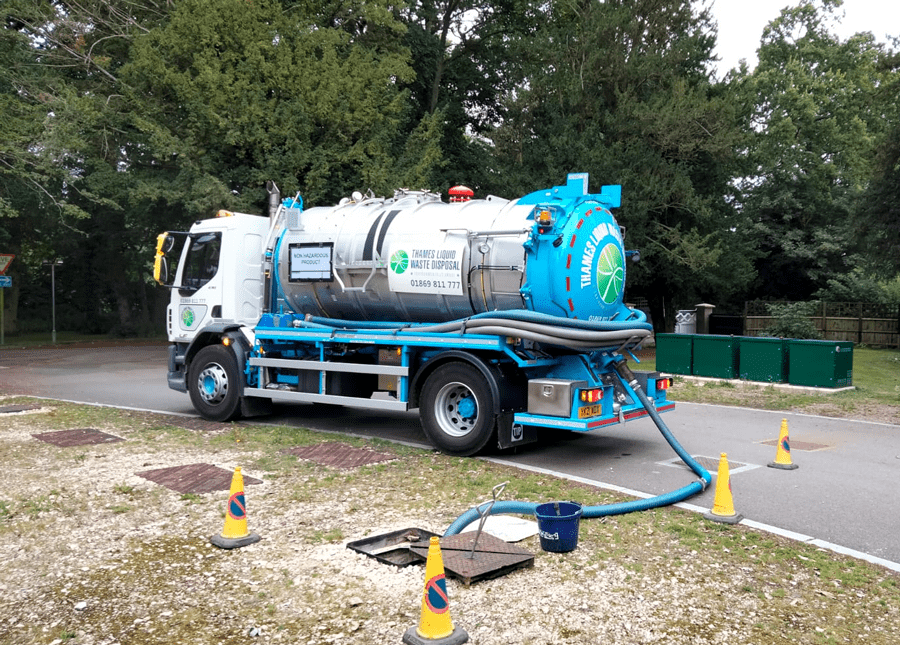
A winter inspection by a liquid waste disposal specialist can identify vulnerabilities that are not always visible to the untrained eye. This may include hairline cracks in tanks, partial blockages in pipes, or weak seals that could fail under the strain of frost.
Should an emergency occur, such as a frozen septic tank or burst pipe, having a professional on call can make all the difference.
They not only have the right tools and equipment but also the experience to carry out repairs quickly and safely. Scheduling routine maintenance before winter reduces the risk of sudden breakdowns and provides peace of mind that your system is prepared for the season ahead.
Environmental Considerations
Maintaining your wastewater system in winter is not only about protecting your property but also about safeguarding the environment. Blocked or damaged systems can lead to untreated waste leaking into the ground, which can contaminate soil and nearby water sources.
Freezing weather increases this risk, making proactive maintenance an important part of environmental responsibility.
By ensuring that your system is working efficiently, you are also reducing the likelihood of pollution incidents that could harm local ecosystems. Professional servicing and responsible waste disposal practices help keep communities safe while meeting environmental regulations.
Taking action early demonstrates care for both your own property and the wider environment.
Conclusion
Freezing conditions place unique demands on wastewater systems, but the risks can be significantly reduced with the right preparation.
By insulating pipes, servicing tanks, and keeping drainage areas clear, you can prevent many of the most common winter problems. Small steps taken before temperatures drop can save considerable time, money, and disruption later on.
It is always better to act early than to wait for an issue to develop. If you are unsure about the state of your system, contact a professional liquid waste disposal company for advice or servicing.
With expert support and a few preventative measures, you can ensure your wastewater system continues to operate smoothly throughout the coldest months of the year.