
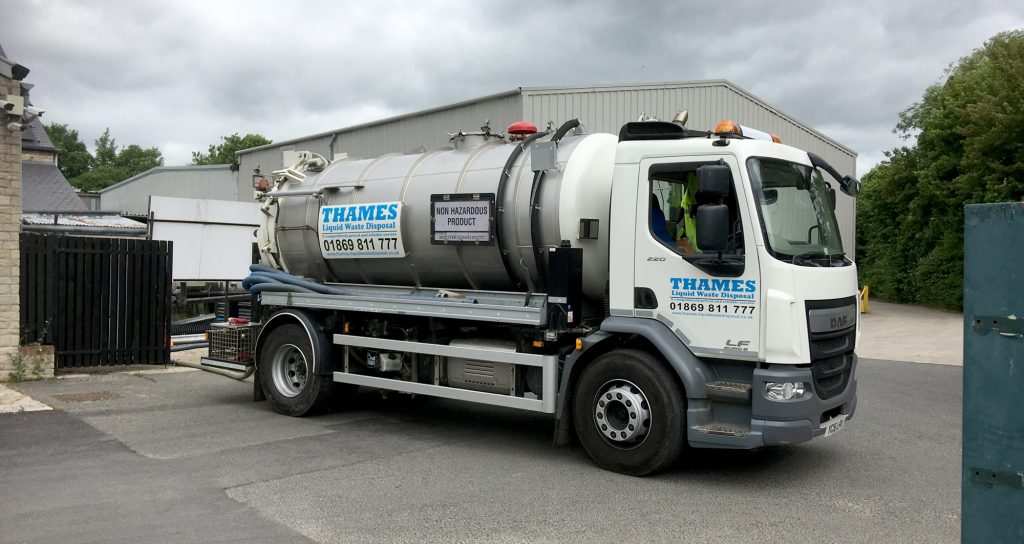
A cesspit is a sealed storage tank with one job: hold wastewater until it’s emptied by a tanker. There’s no treatment or discharge, so when capacity runs out, problems can escalate quickly—indoor smells, slow drains, even sewage backing up. The good news is that a licensed tanker team can restore capacity fast and safely. At Thames Liquid Waste Disposal, our experienced operatives handle urgent call-outs across the region with clean, efficient procedures and clear paperwork.
Safety first
Do not open or enter the tank—dangerous gases and confined spaces can be fatal.
Keep children and pets well away from covers, vents and any pooling effluent.
Avoid naked flames or sparks near vent points.
If wastewater is backing up indoors, treat it as an emergency and call a licensed carrier immediately.
Cesspit 101: The Essentials
What is a cesspit?
A cesspit (also called a cesspool) is a sealed underground tank that stores wastewater until it’s removed by vacuum tanker. Unlike a septic tank, there’s no outlet to a drainage field, and no treatment happening inside—so the fill rate is entirely driven by how much water you use.
Cesspit vs septic tank
A septic tank separates solids and partially treats effluent before discharge to a compliant drainage field. A cesspit does neither, which is why cesspits fill faster and require regular scheduled empties to avoid emergencies.
Why emergencies happen
Usage spikes (house guests, events, holiday lets, site welfare units)
Missed or irregular emptying schedules
Faulty or absent high-level alarms
Infiltration through damaged lids or pipework allowing rain or groundwater in
Unsure what you have? Our team can confirm on arrival and advise the correct service.
Red-flag Signs You Need an Immediate Empty
1) Audible or visual high-level alarms
If your alarm is sounding or the panel light is red/amber, the tank is likely at or near capacity. Don’t silence and ignore it—book an emergency empty.
2) Slow drainage and gurgling
Toilets struggling to flush, gurgling plugholes or water rising in the lowest shower tray are classic warnings. Without prompt action, wastewater can backup into the property.
3) Strong odours around covers or boundaries
Persistent sulphurous smells outdoors—especially after heavy use—suggest the cesspit is full or venting through joints and lids.
4) Surface pooling or wet patches
Soggy ground close to covers, damp rings or visible effluent weeping from joints point to urgent capacity issues, damaged lids or infiltration problems.
5) Rapid refilling after events
If capacity vanishes after a party, family gathering or busy rental turnover, the tank simply can’t cope with the short-term peak—an immediate empty will restore breathing space.
6) Shorter intervals between empties
Booking tankers more frequently than before can mean rising occupancy, increased water usage or a smaller tank than your household demands. An emergency empty now, plus a revised schedule, prevents repeat incidents.
If any of these apply, call for an urgent empty—fast action is cheaper than flood clean-ups and property damage.
What to Do Right Now
Reduce water use immediately: pause washing machines and dishwashers, keep showers short, and limit toilet flushes.
Isolate pumps (if fitted) only if you know how and it’s safe to do so—prevent continuous cycling.
Do not add chemicals or “shock” treatments: they won’t create capacity and may cause hazards.
Book a licensed waste carrier for an emergency empty.
We prioritise genuine emergencies and can mobilise quickly, subject to live availability.
Preventing The Next Emergency
Set a realistic emptying schedule
Match the tank’s capacity to occupancy and water habits. If you’ve recently added a power shower, bigger washing machine or a new bathroom, your schedule may need tightening. Keep a simple log of dates and volumes.
Fit (or fix) a high-level alarm
An audible/visual alarm provides early warning—far cheaper than flood remediation. If yours is unreliable, have it inspected or replaced.
Good housekeeping
Only flush the three Ps (pee, poo, paper). Keep wipes, sanitary items, fats and oils out of the system. Maintain clear access to the tank and check lids and vents after storms.
Plan for peak periods
Holiday lets, big family gatherings and events can overwhelm capacity. Book a precautionary empty beforehand, or arrange a rapid post-event visit.
Sign up for reminders
If you’re busy, automated reminders help you stay on schedule. We can pre-book regular empties with flexible reminder options to suit your household or business.
Need Urgent Help?
Think your cesspit is at (or beyond) capacity? Thames Liquid Waste Disposal can restore space quickly and safely, with compliant disposal and clear paperwork. Contact our team now for an urgent slot, or request a rapid call-back to get booked. Prefer to prevent a repeat? Ask about our planned empty schedules with handy reminders—simple, sensible and stress-free.