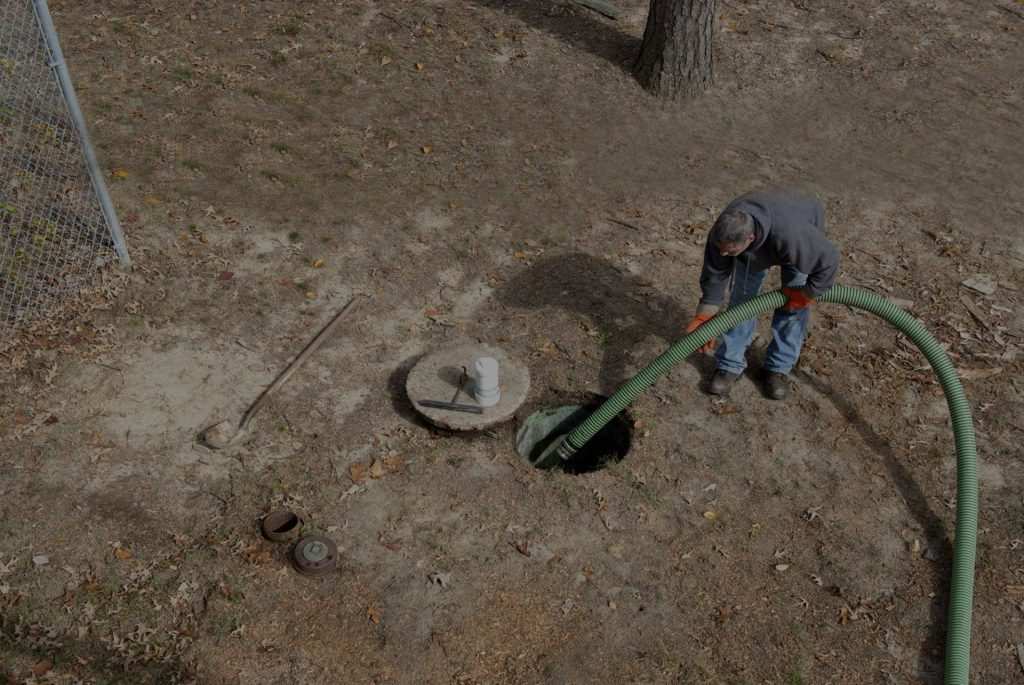
Septic tanks tend to work quietly in the background, so it’s easy to forget they rely on a fairly delicate natural process. Inside the tank, bacteria break down waste and help separate solids from liquids, allowing the system to function properly.
What you send down the drain plays a much bigger role in this than most people realise.
It may seem harmless to rinse certain things away, especially if they disappear quickly, but that doesn’t mean they’re safe for your system.
Over time, everyday habits can start to interfere with how the tank operates, and the effects are not always immediate. In many cases, problems only become obvious once damage has already been done.
How a Septic Tank System Works
A septic tank collects wastewater from your home, where heavier solids settle at the bottom to form sludge, while lighter materials float to the top as scum.
The liquid in between flows out into a soakaway, where it is filtered naturally through the ground. This process relies on a balance between physical separation and bacterial activity.
If that balance is disrupted, the system can struggle to cope. For example, too much solid material or the wrong type of waste can prevent proper separation.
Equally, if the bacteria are harmed, waste may not break down as it should, which can lead to blockages, odours, or even system failure over time.
Why Putting the Wrong Things Down the Drain Causes Problems
When unsuitable items enter the system, they often do not break down in the same way as natural waste.
Instead, they can accumulate inside the tank or pipes, gradually restricting flow and reducing efficiency. It might not cause an immediate issue, but repeated exposure tends to build up into something more serious.
Another concern is the impact on the bacteria within the tank. Certain substances, particularly chemicals, may reduce or kill off these beneficial organisms.
Without them, the system loses its ability to process waste effectively, which can result in increased sludge levels, unpleasant smells, and more frequent emptying.
Items You Should Never Put Down the Drain
Fats, Oils and Grease (FOG)
Fats, oils and grease often go down the drain in liquid form, but they quickly cool and solidify once inside the pipework.
This can lead to stubborn blockages that are difficult to clear, especially when they combine with other materials already present in the system.
Inside the septic tank, these substances can form a thick layer on the surface, which may interfere with how the tank separates waste.
Over time, this can reduce the overall capacity of the system and increase the likelihood of overflow or drainage issues.
Wet Wipes and Hygiene Products
Wet wipes are one of the most common causes of septic problems, even those labelled as flushable.
They do not break down in the same way as toilet paper and can remain intact for long periods, creating blockages within pipes and the tank itself.
Other items such as sanitary products, nappies, and cotton buds behave similarly.
They add bulk to the system without decomposing properly, which can lead to quicker build-up of solids and a higher risk of clogs or system strain.
Harsh Chemicals and Cleaning Products
Strong cleaning products, including bleach and disinfectants, may seem necessary for hygiene, but they can have an unintended effect on your septic system.
These chemicals can kill off the bacteria that are essential for breaking down waste inside the tank.
While occasional use is unlikely to cause major harm, regular or excessive use may gradually weaken the system’s ability to function.
It is often better to use septic-friendly alternatives or reduce reliance on harsh chemicals where possible.
Food Waste and Coffee Grounds
Rinsing food scraps down the sink might feel convenient, but it adds unnecessary solid material to your septic tank.
Unlike human waste, many food particles take longer to break down, which can contribute to faster sludge build-up.
Coffee grounds are particularly problematic because they tend to clump together and do not decompose easily. Over time, they can settle in the tank or pipes, increasing the risk of blockages and reducing overall efficiency.
Medicines and Pharmaceuticals
Pouring medicines or pharmaceutical products down the drain can interfere with the natural processes inside the septic tank.
Many of these substances are not designed to break down in this environment and may disrupt bacterial activity.
There is also a wider environmental concern, as these chemicals can eventually make their way into the surrounding soil and groundwater.
Disposing of medicines through proper collection schemes is usually a safer and more responsible option.
Paints, Solvents and DIY Waste
Paints, solvents, and similar substances are highly unsuitable for septic systems. They often contain chemicals that are toxic to the bacteria in the tank and can significantly disrupt how the system operates.
Beyond the tank itself, these materials can pose a risk to the environment if they pass through into the soakaway.
Even small amounts may have a lasting impact, so it is generally best to dispose of them through appropriate waste facilities.
Common Misconceptions About “Flushable” and “Safe” Products
Many products are marketed as flushable or safe for drainage systems, but this can be misleading.
In reality, the term often just means the item can pass through a toilet without immediate blockage, rather than being suitable for long-term use in a septic system.
It is easy to assume that if something disappears when flushed, it must be harmless. However, septic systems operate very differently from main sewer networks, and what seems acceptable on the surface may still cause problems over time.
Signs You May Be Putting the Wrong Things Down the Drain
If unsuitable items are regularly entering your system, there are usually early warning signs. You might notice slow drainage, gurgling sounds from pipes, or unpleasant smells around sinks, toilets, or outside areas.
These issues often develop gradually, which can make them easy to ignore at first. However, if left unchecked, they may lead to more serious problems such as backups or the need for costly repairs.
Practical Tips for Protecting Your Septic System
Simple habits can make a noticeable difference to how well your septic system performs.
Scraping food into the bin, using sink strainers, and avoiding pouring grease down the drain are all small steps that can help reduce strain on the system.
It may also be worth choosing cleaning products that are labelled as septic-safe and arranging regular inspections.
Staying on top of maintenance helps prevent issues from accumulating and keeps the system running more smoothly over time.
When to Seek Professional Help
There are times when a problem may go beyond what simple changes can fix.
Persistent blockages, strong odours, or signs of overflow could indicate a deeper issue within the system that needs attention.
Seeking professional help sooner rather than later may help prevent further damage.
A specialist can assess the condition of the tank, identify any underlying problems, and suggest practical solutions to restore proper function.
Conclusion
Being mindful about what goes down the drain may seem like a small consideration, but it plays a significant role in maintaining a healthy septic system.
Everyday habits rather than one-off mistakes often shape the way the system performs over time.
By avoiding unsuitable materials and taking a more considered approach, it is possible to reduce the risk of disruption and extend the life of the system.
In the long run, a bit of care and awareness can help prevent inconvenience, expense, and unnecessary stress.