
If you live in a rural property, a newer build off the mains, or you’ve inherited an “interesting” setup with an inspection cover somewhere in the garden, you’ve probably heard both terms used as if they mean the same thing. They don’t. A septic tank and a sewage treatment plant handle wastewater in very different ways, and that difference affects everything from day to day care to how often you should arrange an empty.
This guide breaks it down without the waffle. I’ll also flag the common signs that something’s not right, plus the practical bits homeowners usually only learn after a messy surprise.
The quick answer
- A septic tank mostly separates solids from liquids. The liquid then flows out to a soakaway or drainage field for further treatment in the ground.
- A sewage treatment plant actively treats wastewater using air and bacteria, producing a cleaner effluent before it discharges (still with rules, and still with maintenance).
- Both systems build up sludge, and both need periodic emptying (sometimes called desludging).
What a septic tank actually does
A septic tank is essentially a settlement chamber. Wastewater from toilets, sinks, showers, and appliances flows into the tank. Inside, it splits into three layers:
- Sludge settles at the bottom (heavier solids).
- Scum floats at the top (fats, oils, grease).
- Effluent sits in the middle (the liquid layer).
The tank’s job is to hold back most solids so the liquid can flow out to a soakaway or drainage field. That’s where a lot of the real “treatment” happens, through bacteria in the soil and gradual filtration. So, while septic tanks do some basic breakdown, they’re not producing a fully treated discharge on their own.
In practical terms, septic tanks can work brilliantly for years, but they’re not forgiving if they’re neglected. Once sludge builds up too far, solids can carry over and clog the drainage field. That’s when you get slow drains, smells, soggy patches, and expensive remedial work.
What a sewage treatment plant actually does
A sewage treatment plant (sometimes just called a “treatment plant”) goes a step further. It still has settlement stages, but it also uses aeration to encourage bacteria to break down waste more thoroughly. That results in a cleaner final effluent compared with a standard septic tank setup.
Most domestic treatment plants include some or all of the following:
- Primary settlement to separate larger solids.
- Aeration chamber where oxygen helps bacteria work harder.
- Final settlement to clarify the treated water before discharge.
One important detail people miss: many treatment plants rely on electricity (pumps, blowers, motors). If power is off for extended periods, or the mechanical parts aren’t serviced, performance can drop. And yes, they still build sludge. They’re “better at treating”, not “maintenance free”.
Key differences at a glance
| Feature | Septic Tank | Sewage Treatment Plant |
|---|---|---|
| How it works | Separates solids and holds sludge; effluent goes to soakaway/drainage field | Actively treats wastewater using aeration and bacteria for a cleaner effluent |
| Electricity | Usually none | Typically required |
| Discharge quality | Lower (relies heavily on ground treatment) | Higher (treated before discharge) |
| Maintenance style | Emptying plus keeping drainage field healthy | Emptying plus routine checks of mechanical/aeration components |
| Common failure signs | Smells, slow drains, soggy ground near soakaway | Smells, alarms (if fitted), poor discharge, sluggish performance after heavy use |
Which one is better for a home?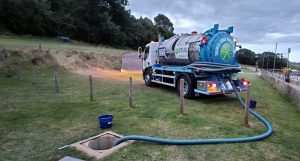
This is where it gets slightly awkward, because the honest answer is: it depends. A well maintained septic tank can be a great, simple system with fewer moving parts. A sewage treatment plant can be a smarter choice where discharge needs to be cleaner, where ground conditions make a soakaway tricky, or where regulations and site constraints steer you that way.
What matters most is not the label, but how the system matches the property:
- Occupancy (a family of five produces a very different load than a weekend cottage)
- Ground conditions (clay heavy soil and poor drainage can cause issues for soakaways)
- Servicing expectations (treatment plants often need routine checks, not just the occasional empty)
Do both need emptying?
Yes. Sludge builds up in both, even when everything seems fine. Leaving it too long increases the risk of solids carrying over into pipework, soakaways, pumps, or treatment chambers. The result is usually some combination of smells, backups, and a system that feels “temperamental” for no obvious reason.
If you’re unsure what schedule makes sense, it’s worth speaking with a specialist who deals with these systems every day. Thames Liquid Waste Disposal provides septic tank emptying and desludging for domestic and commercial customers, and can help you work out a sensible routine based on your setup and usage, rather than guessing and hoping for the best.
Signs your system needs attention (before it turns into a panic)
- Slow draining sinks, showers, or baths across the property (not just one room)
- Gurgling sounds from pipes or toilets
- Unpleasant odours near drains, inspection covers, or outside
- Waterlogged patches or unusually green growth near a soakaway/drainage field
- Treatment plant alarms (if your unit has one)
- Backups in toilets or low level drains
A lot of homeowners only take action at the “backups” stage. Understandably. Still, catching it earlier is usually cheaper and far less disruptive.
Common mistakes that cause problems in both systems
You don’t need a perfect household to keep a wastewater system happy, but a few habits do cause repeat issues:
- “Flushable” wipes (they often don’t break down properly and can contribute to blockages)
- Fats, oils, and grease down the sink (they solidify and build scum)
- Overuse of bleach and harsh chemicals (can upset the bacteria doing the work)
- Large sudden loads (for example, multiple baths and washing cycles back to back, especially on small systems)
- Skipping emptying because everything seems fine (it’s often fine… until it isn’t)
How to prepare for an emptying visit
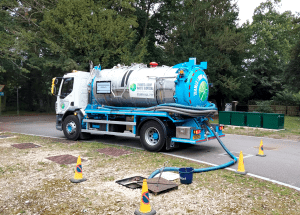 An emptying visit is usually straightforward, but a tiny bit of prep helps it go smoothly:
- Clear access for the tanker (move cars, bins, garden furniture if needed).
- Know where the inspection cover is (or at least the rough area).
- Keep pets indoors while the work is carried out.
- If you’ve had problems, mention symptoms in advance (smells, slow drains, alarms).
If you want a practical checklist, this guide is handy: How to prepare your property for a tanker emptying visit.
When to call a professional (and when not to wait)
If any of the following are happening, it’s worth getting advice sooner rather than later:
- Wastewater is backing up into the property.
- You can smell strong sewage odours outside around covers or discharge points.
- The drainage field looks flooded or soggy for days on end.
- Your treatment plant alarm is sounding or the unit appears to be struggling.
- You’ve moved into a property and have no idea when it was last emptied.
For routine care, maintenance and cleaning services can also help keep access points, covers, and associated drainage in good order, especially if you’ve got older inspection chambers that have seen better days.
Final thoughts
A septic tank and a sewage treatment plant aren’t the same thing, but they share one key truth: both run best when they’re looked after. If you’re not sure which system you have, or you suspect it’s due an empty, it’s often quicker to ask and get clarity than to keep second guessing.
If you’d like advice or want to book an emptying visit, you can contact Thames Liquid Waste Disposal here: https://thames-liquidwastedisposal.co.uk/contact/.