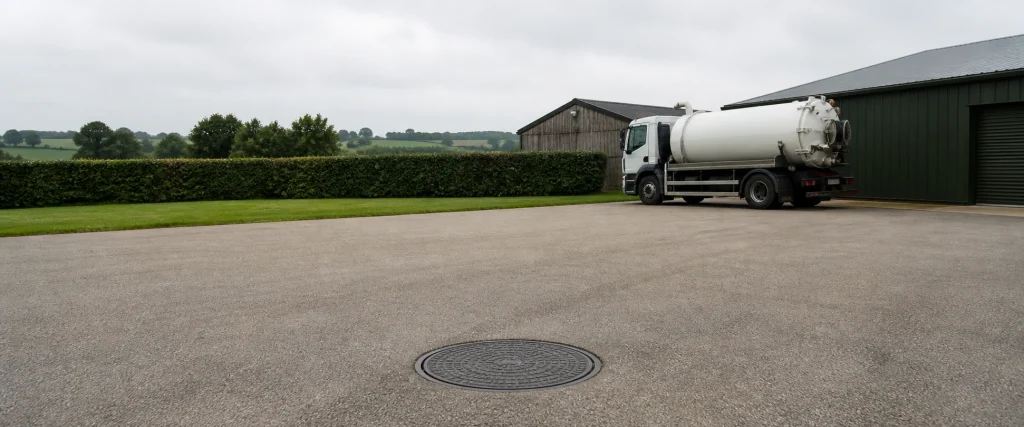
Industrial sludge can build up quietly, then become a serious operational and compliance issue if it is not handled properly.
Professional industrial sludge removal is a controlled tanker led process. The aim is to remove liquid and semi solid waste safely, keep the site moving, and make sure the material is managed responsibly after collection.
Why industrial sludge needs planned removal
Sludge is usually a mixture of liquid, suspended solids, residue and settled material. It can collect in interceptors, settlement tanks, process tanks, wash down areas, drainage channels, sumps and other containment systems.
On commercial and industrial sites, this material may contain oils, silt, organic matter, process residue or other contaminants. That does not mean every load is hazardous, but it does mean it should be assessed and removed using suitable equipment and procedures.
Leaving sludge in place can reduce tank capacity, slow drainage, create odours, increase the risk of overflows and make routine maintenance harder. In some settings, it can also affect how treatment systems perform. Planned removal helps keep waste systems working as intended and reduces the chance of avoidable disruption.
If you are unsure whether a waste stream needs a tanker, this guide to liquid wastes that need specialist tanker removal explains the kinds of materials that usually require professional collection.
The site check before collection begins
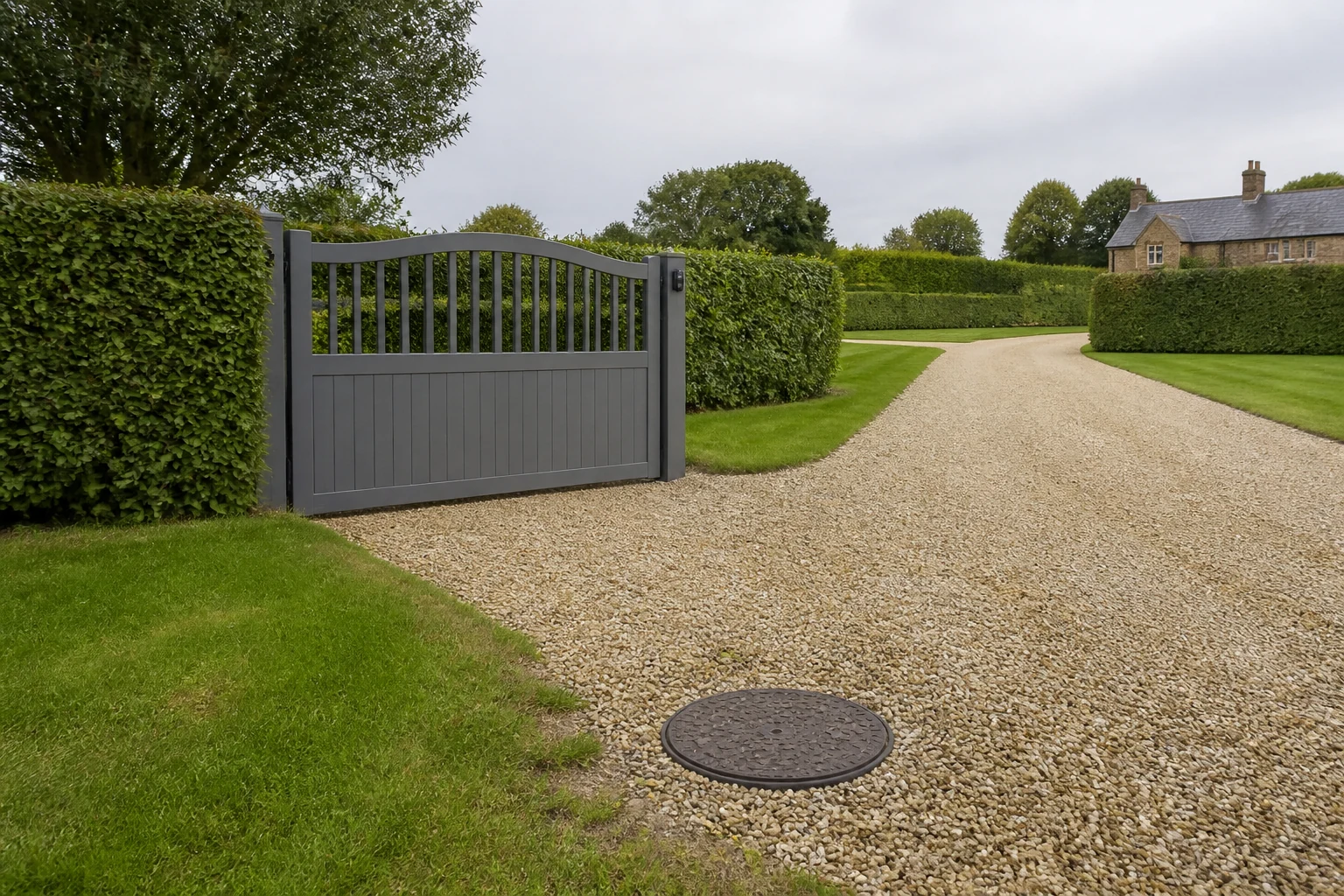
A professional sludge removal visit normally starts with a practical site check. The operator needs to understand what is being collected, where it is held, how it can be accessed, and whether any hazards could affect the job.
This may include checking tank covers, manhole access, ground conditions, traffic routes, working space, overhead obstructions and the distance between the tanker and the waste point. On a busy commercial site, the operator may also need to coordinate with site staff so the work can happen without blocking essential movement.
Good preparation matters because the tanker does not always need to sit directly beside the tank or chamber. Suction hoses can often be run to the access point, provided the route is safe, stable and suitable. Clear access allows the crew to work efficiently and reduces the need for repeated repositioning.
It also helps to identify the waste before the vehicle arrives. Site records, previous disposal notes or knowledge of the process that creates the sludge can all help. Where the material is unusual, contaminated or difficult to classify, extra checks may be needed before it is removed.
For general tanker visits, the same principles apply as they do for domestic or commercial emptying. Thames Liquid Waste Disposal has a useful guide on preparing for a tanker emptying visit, including access and practical site readiness.
How the tanker and hose process works
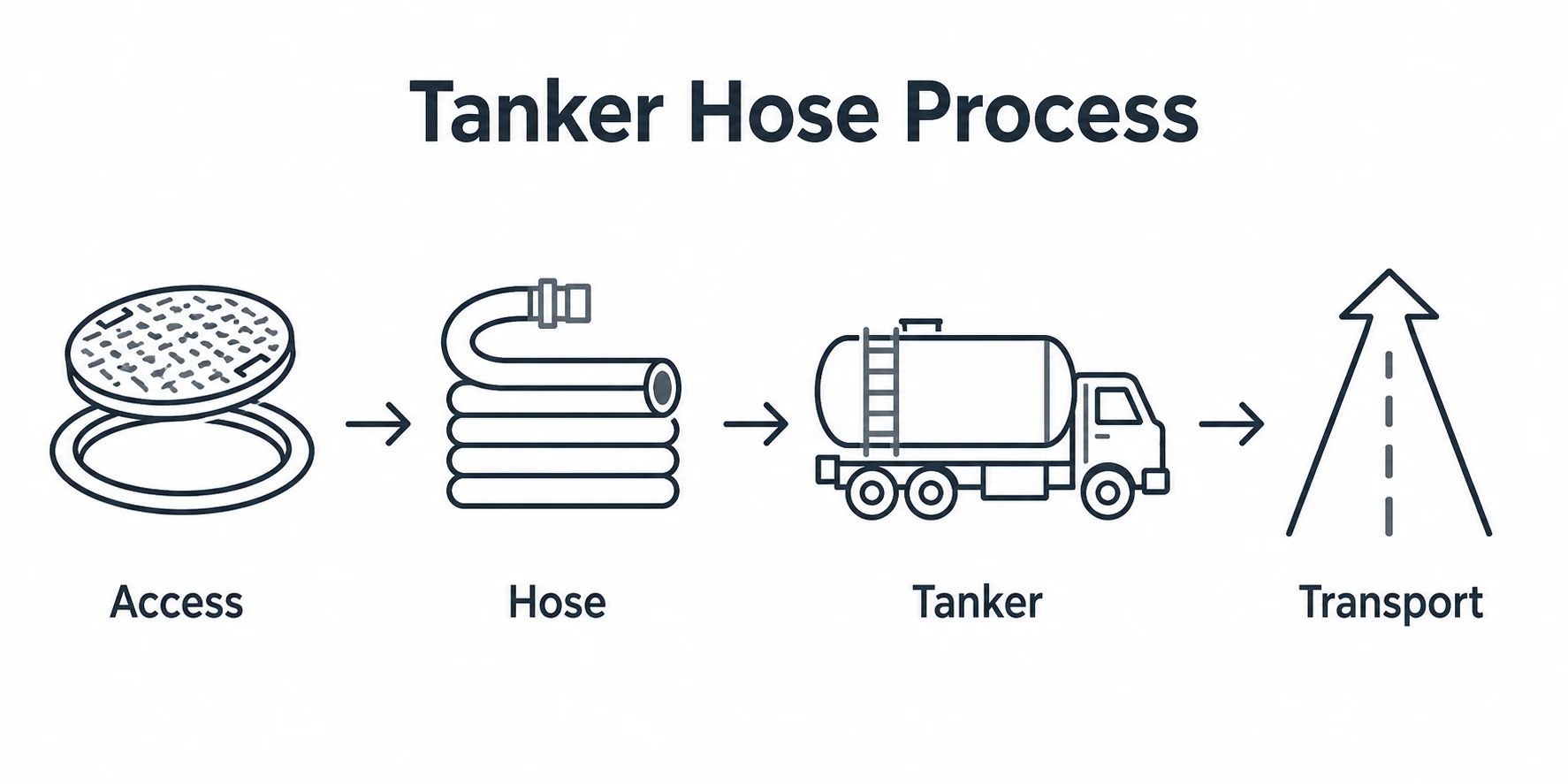
Once access is confirmed, the tanker is positioned where it can work safely. The crew then sets up suction hoses between the vehicle and the sludge holding point. Depending on the layout, hoses may be routed across hardstanding, along a yard edge, through a gateway or into a plant area.
The operator will usually open the access point, inspect the surface condition and begin controlled extraction. Tanker suction draws the sludge into the vehicle tank. The flow may be adjusted as the material changes, especially if the sludge has settled in layers or contains heavier solids near the bottom.
Some sludge is relatively fluid and can be removed steadily. Thicker sludge may need slower extraction, hose repositioning or agitation to help move settled material. The aim is not just to take the easy liquid from the top, but to remove the material that is reducing capacity or causing the maintenance issue.
During removal, the crew watches for signs that the hose is struggling, that the access point needs adjustment or that unexpected debris is present. If the system has several chambers, each one may need to be checked in turn so the job is completed properly.
The process is practical and methodical. It is not simply a case of switching on a pump and leaving it. The operator has to manage suction, hose safety, tank capacity, access conditions and the behaviour of the sludge throughout the collection.
Safe handling during commercial sludge removal
Safety is a major part of commercial sludge removal. Sites can involve vehicle movement, confined access points, slippery surfaces, heavy covers, odours and waste materials that should not be touched directly.
Professional crews use appropriate protective equipment and work methods to reduce unnecessary contact with the waste. Covers and lids should be handled carefully, and open chambers should be managed so they do not create a risk for staff, visitors or vehicles nearby.
Hose routes are also important. A suction hose can be heavy, especially when full, and it should be laid where it can operate without being crushed, sharply kinked or creating an avoidable trip hazard. Where site traffic is active, the working area may need to be kept clear while extraction is taking place.
Another safety factor is identifying what else could be in the tank or chamber. Industrial sludge can sometimes include unexpected contents, such as wipes, packaging fragments, grit, oil residues or process byproducts. These can affect how the material is removed and how it should be handled after collection.
Clear communication between the site contact and tanker crew helps. The site contact can point out access restrictions, previous issues and any process changes. The operator can then explain what needs to be kept clear while the work is underway.
What happens after the sludge is collected
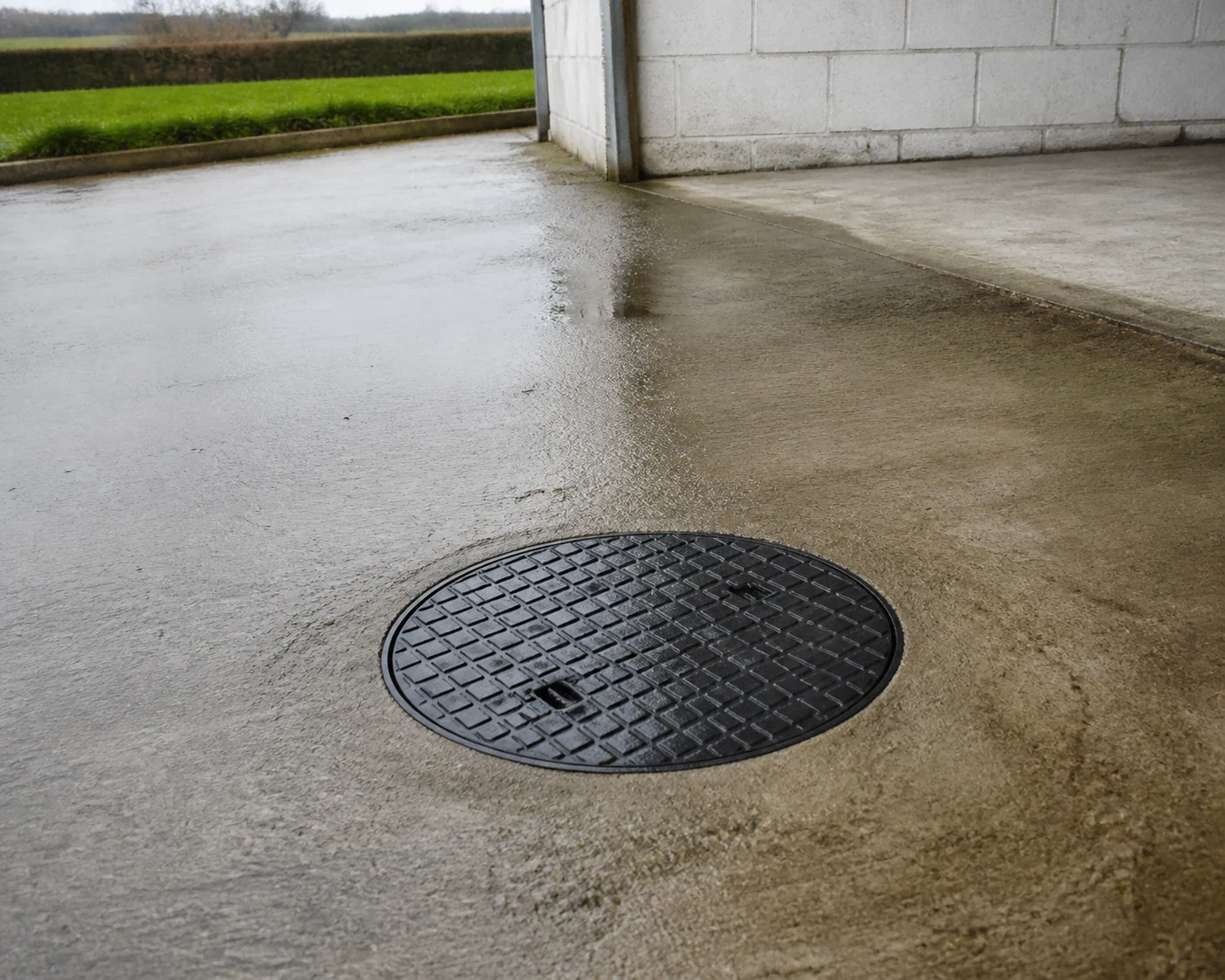
After the tanker has collected the sludge, the waste must be transported and handled through an appropriate route. The exact destination depends on the type of material, its classification and the disposal or treatment options available for that waste stream.
Responsible handling means the sludge should not be discharged casually or mixed into the wrong system. It needs to be taken to a suitable authorised facility or managed through the correct waste route. This is one of the main reasons industrial sludge removal should be handled by a professional liquid waste operator rather than treated as a general cleaning task.
Documentation may also be part of the process, especially for commercial waste. Waste transfer information helps show what was collected, where it came from and how it was managed. For businesses, keeping these records is a sensible part of environmental housekeeping.
The same responsible approach applies to many liquid waste collections, whether the material comes from a process tank, interceptor, sump or other system. The liquid waste removal service from Thames Liquid Waste Disposal is built around collecting these kinds of wastes with suitable tanker equipment and proper handling.
Once the waste has been removed, the site may also be able to inspect the tank or chamber more clearly. That can help identify damage, blockages, heavy silt build up or maintenance needs that were hidden while the sludge was in place.
How to make the next removal easier

The best sludge removal visits are usually the ones where access, timing and information have been thought through in advance. A small amount of preparation can make the work smoother and help the operator complete the collection with fewer delays.
Useful preparation steps include:
- Keep the tanker access route clear before the visit.
- Make sure the access point, cover or manhole can be reached safely.
- Tell the operator what the sludge is likely to contain.
- Share any known site hazards, restricted areas or traffic rules.
- Arrange for someone familiar with the site to be available if possible.
It is also worth thinking about how often sludge builds up. Some sites only need occasional collection, while others benefit from planned visits based on how quickly tanks, interceptors or sumps fill. A regular pattern can help prevent sudden capacity problems and make budgeting and site planning simpler.
After removal, note any observations from the tanker crew. If they mention heavy settlement, difficult access, damaged covers or unusual waste, that information can help you improve the next visit. For related context on what can be checked after a tank has been cleared, see this guide to what happens after your septic tank is emptied.
- Industrial sludge removal is a controlled tanker led process, not a basic clean up task.
- Good access, clear information and safe hose routes help the collection run smoothly.
- The operator will assess the waste point, remove sludge through suction hoses and monitor the flow throughout.
- Collected sludge should be transported and handled through an appropriate waste route.
- Planned removal helps protect capacity, drainage performance and site hygiene.
Frequently asked questions
What is industrial sludge removal?
Industrial sludge removal is the collection of liquid or semi solid residue from commercial or industrial systems such as tanks, sumps, interceptors and process areas. A vacuum tanker is commonly used to extract the material and transport it for suitable handling.
Does the tanker need to park right next to the tank?
Not always. Suction hoses can often be run from the tanker to the access point, provided the route is safe and practical. The exact distance depends on the site layout, hose route, waste type and access conditions.
Is all industrial sludge hazardous?
No. Industrial sludge varies widely. Some material may be non hazardous, while some may need specialist classification or handling because of what it contains. The safest approach is to describe the source of the sludge clearly before collection.
How often should sludge be removed?
There is no single schedule for every site. Frequency depends on tank size, process activity, waste volume, drainage performance and how quickly solids settle. If capacity drops, odours increase or drainage slows, it is sensible to arrange an inspection or collection.
Need help with liquid sludge removal?
For clear advice and professional tanker collection, speak to Thames Liquid Waste Disposal about the waste type, access point and site requirements.